Mallorca has a reputation, and it involves buckets and straws. I was on the island twice in 2026, in April and September – and found a completely different island: processions in the interior, coves with no road and a dinner among olive trees.
Holy Week in Vilafranca de Bonany
In April, just before Easter, a procession moved through Vilafranca de Bonany: penitents in long robes with pointed hoods, music, and silence in between. That's the Mallorca you never get to see from the beach.
Palma, unhurried
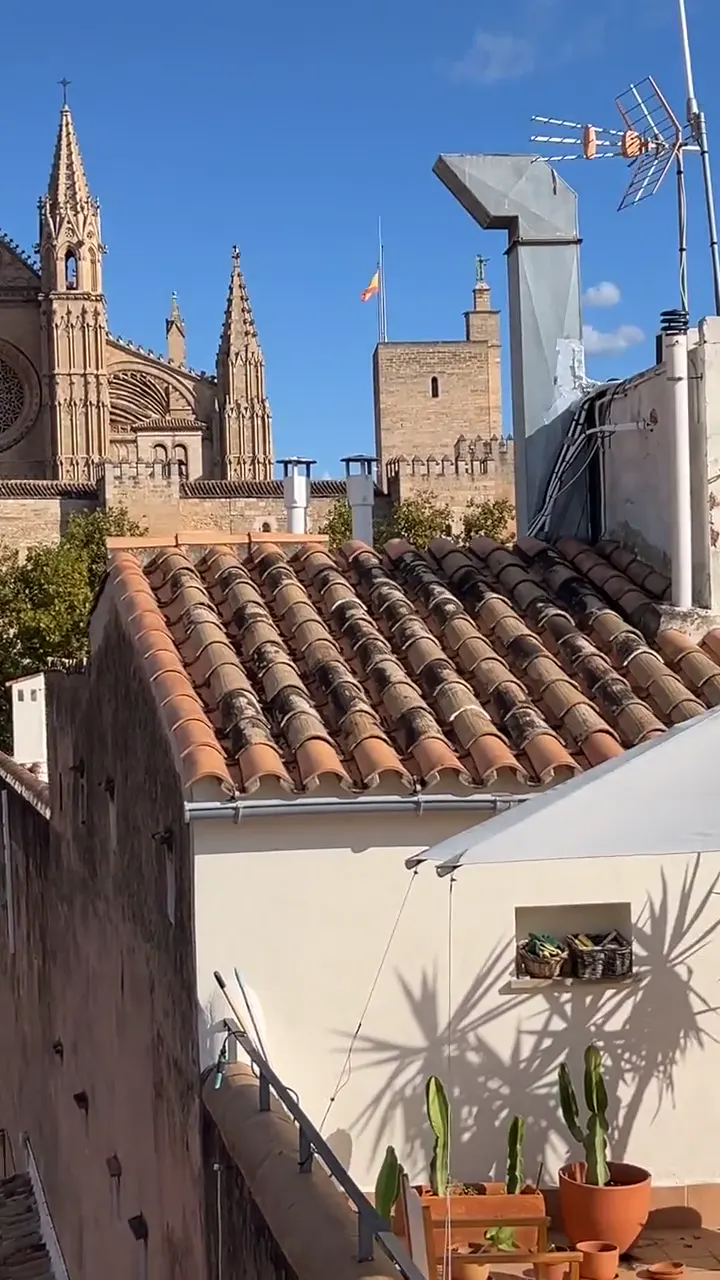
La Seu, Palma's Gothic cathedral, stands right by the sea and looks almost painted between the palm trees. From a rooftop terrace in the old town it lies at your feet. And at Moltak I learned to cook paella in an old windmill – apron on, huge pan, lots of laughter.
Valldemossa and the Tramuntana
Valldemossa is a sandstone mountain village where Chopin spent the winter of 1838/39. I stood at the wall with my camera trying to capture the rooftops against the Tramuntana mountains. Spoiler: it's better in real life.
Coves you have to earn
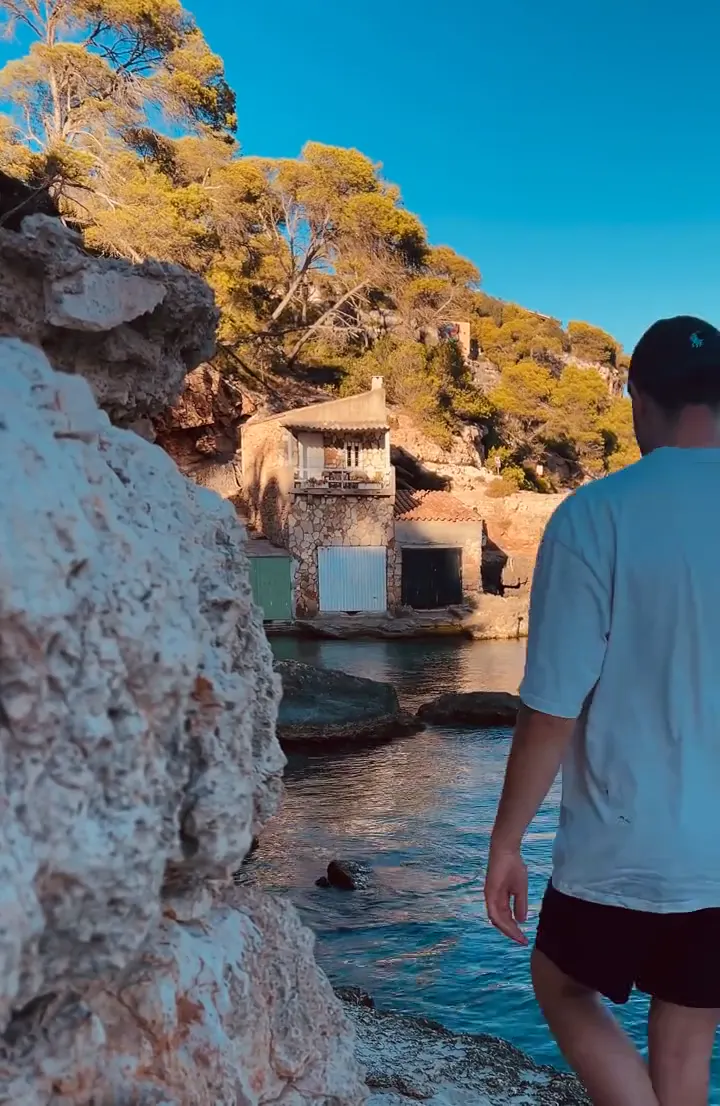
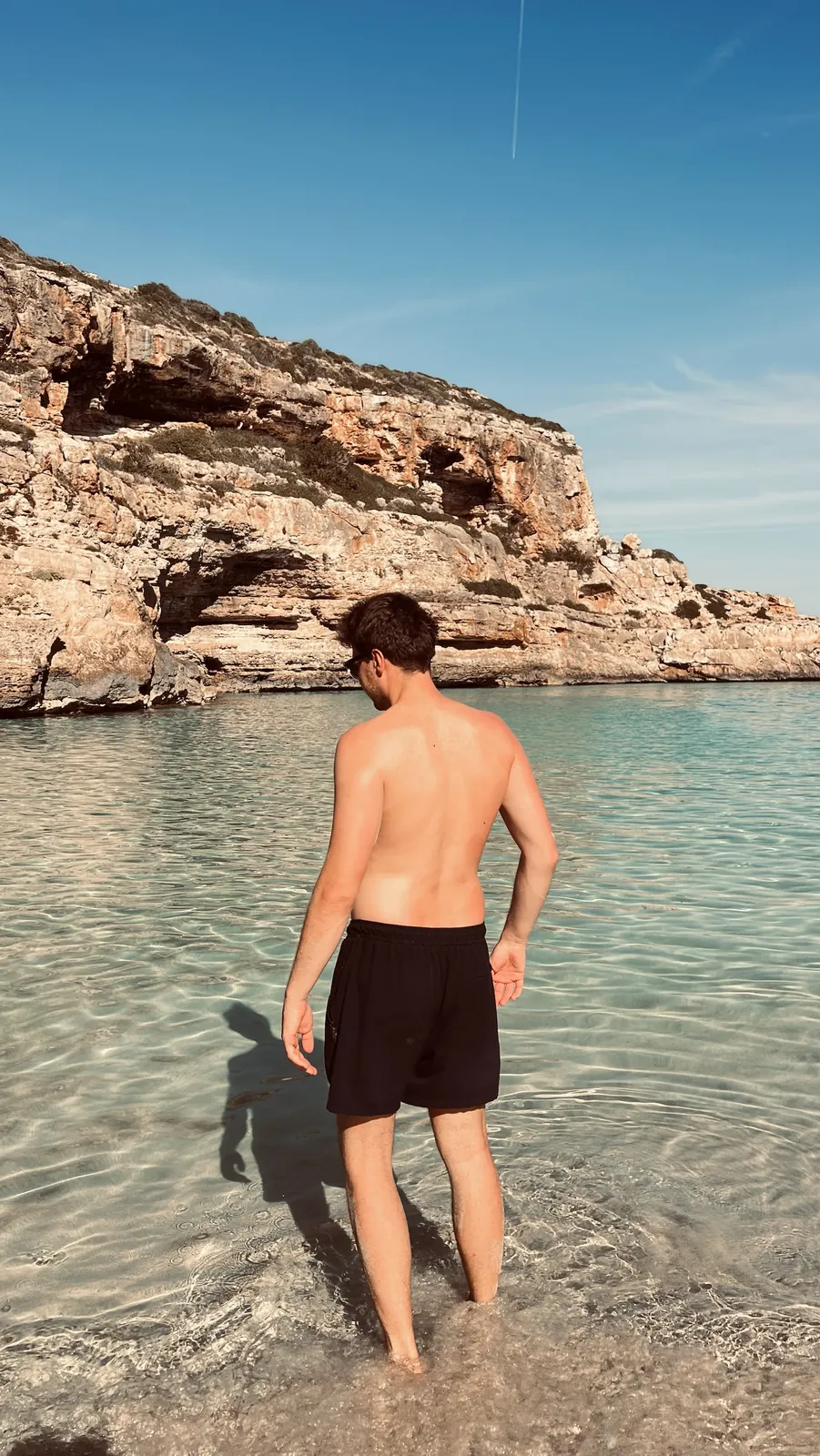
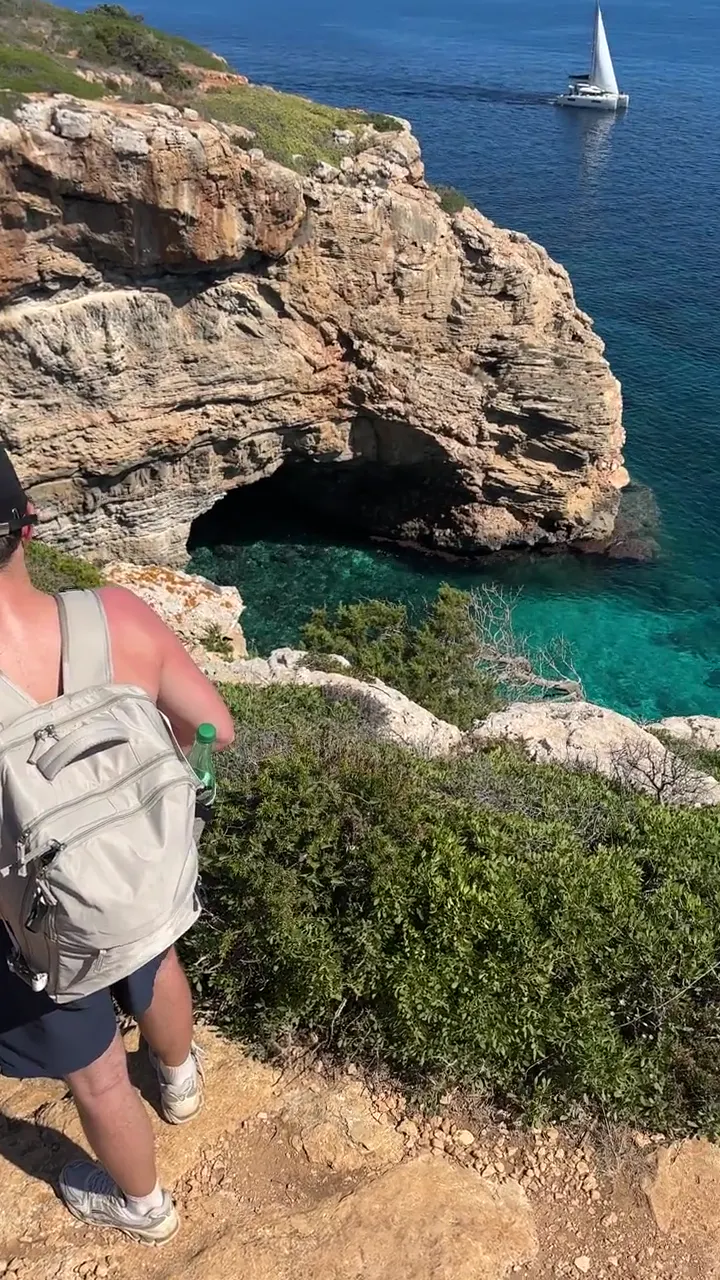
Cala Màrmols in the south has no road and no kiosk – you can only get there on foot or by boat. The scramble down the rocks is worth it: turquoise water and a rock arch that looks as if someone placed it there. At Cala s'Almunia, the old fishermen's boathouses sit right on the water.
Food in the interior
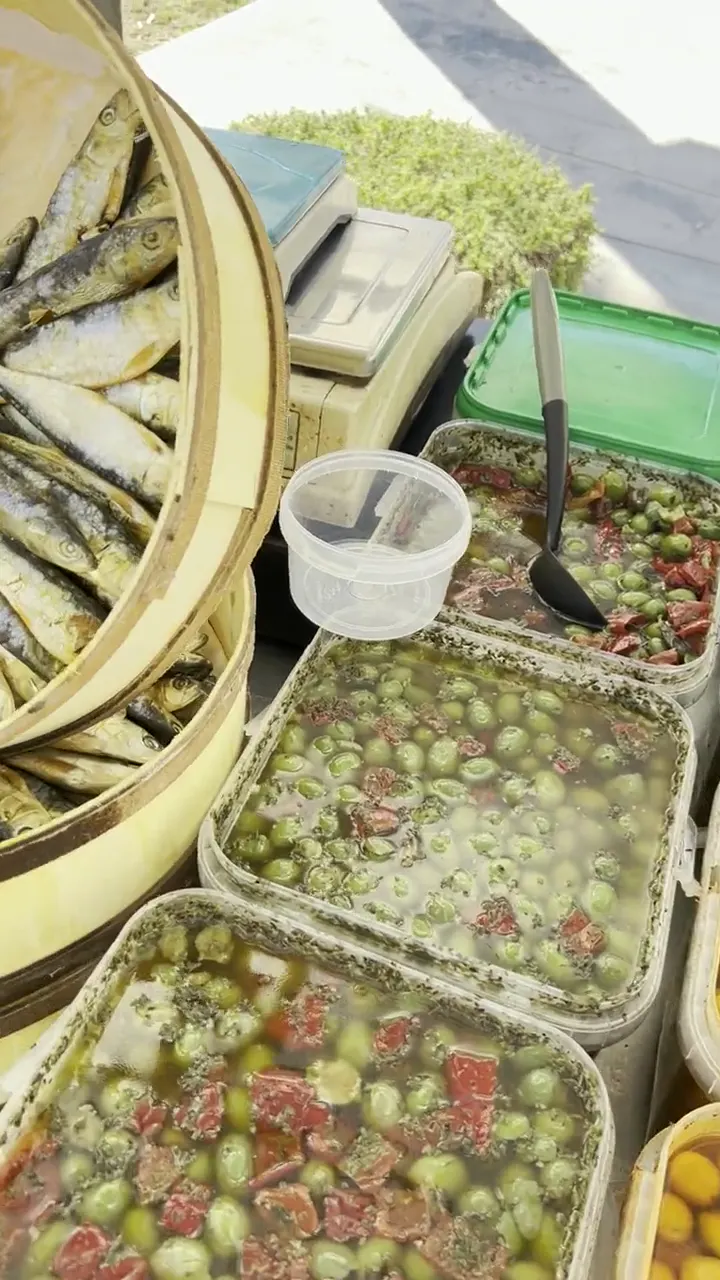
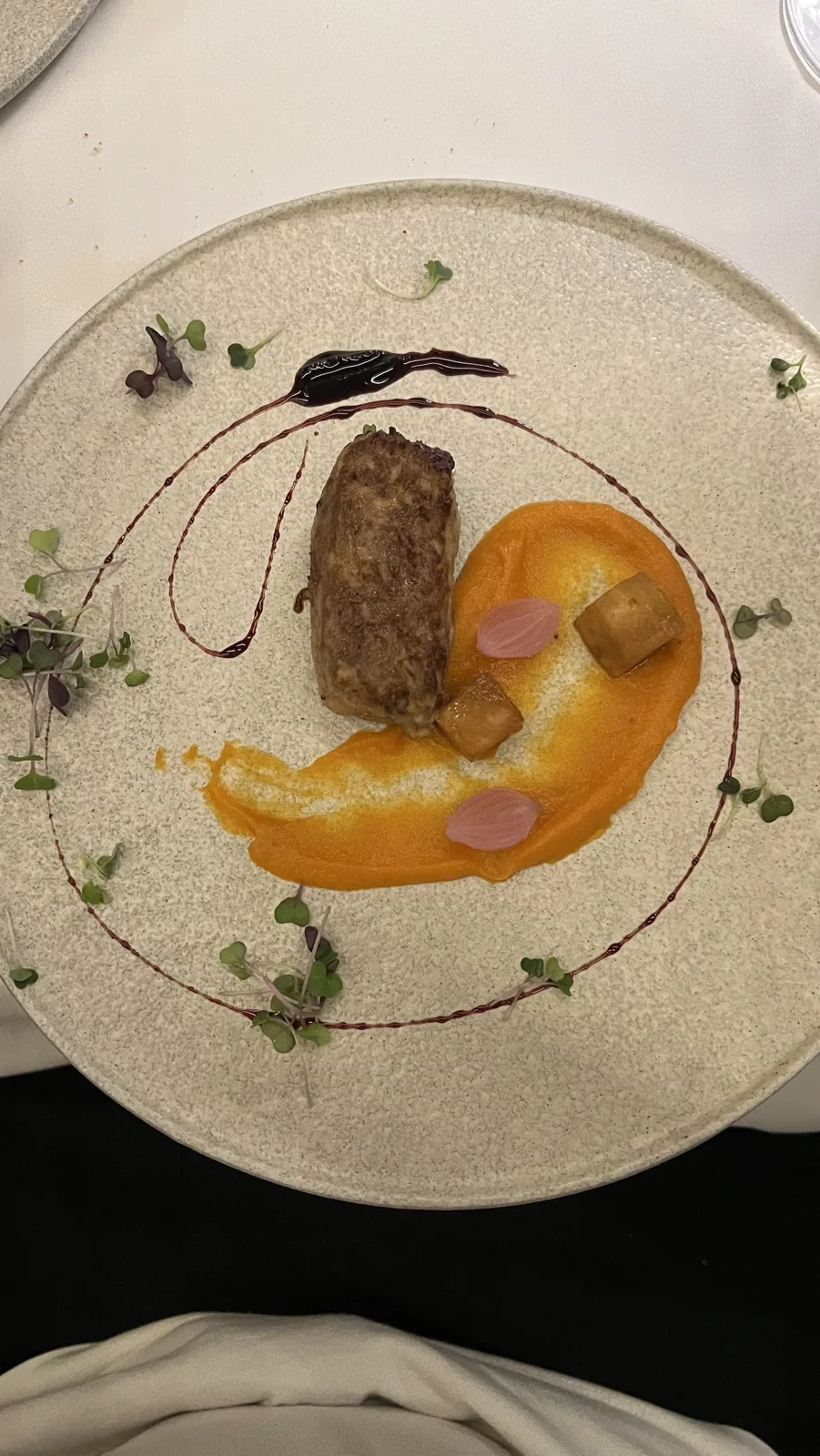
At the Wednesday market in Vilafranca there are olives, sardines and spices, at the village bakery fresh pastries. And then Qanat de Treurer near Algaida: fine dining among olive trees, with a terrace that glows at golden hour.
What makes Mallorca special
Beyond the party beaches lies an island with its own language - Mallorquí, a form of Catalan - almond blossom in February and the Tramuntana mountains, a UNESCO World Heritage Site since 2011. And the ensaïmada, the lard pastry you carry home coiled in a box.
A little history
As long as 3,000 years ago people built stone towers here, the talayots - remains of them still stand inland. In 1229 King James I of Aragon conquered the island from the Moors. And in the winter of 1838/39 Frédéric Chopin and George Sand lived in the Carthusian monastery of Valldemossa - a rather rainy winter, as Sand later wrote.
My verdict
Mallorca can do so much more than beach and sangria. Head inland, hike to the coves without roads and plan at least one evening for really good food.
Tip: Find cooking classes and boat trips in Mallorca here on GetYourGuide – 5% cheaper with the code HIDDENGEMATLAS5. (Ad)