Tirana is the capital nobody has on their list - which is exactly why it is so exciting. More colourful than expected, cheaper than you think and with a history that stays with you.
What makes Albania special
For more than 40 years Albania was one of the most isolated countries in the world. Today you meet incredibly hospitable people, espresso for under a euro and a city that is reinventing itself. And they are still everywhere: small concrete bunkers, hundreds of thousands of them across the country.
A little history
Tirana was founded in 1614 by an Ottoman general and has only been the capital since 1920. After the Second World War Enver Hoxha ruled the country with an iron fist until 1985, broke with Yugoslavia, the Soviet Union and China and had bunkers built everywhere out of fear of invasion. From 2000 the then mayor Edi Rama had grey concrete blocks painted in loud colours - the beginning of the new Tirana.
Day 1: centre, bunkers and Blloku
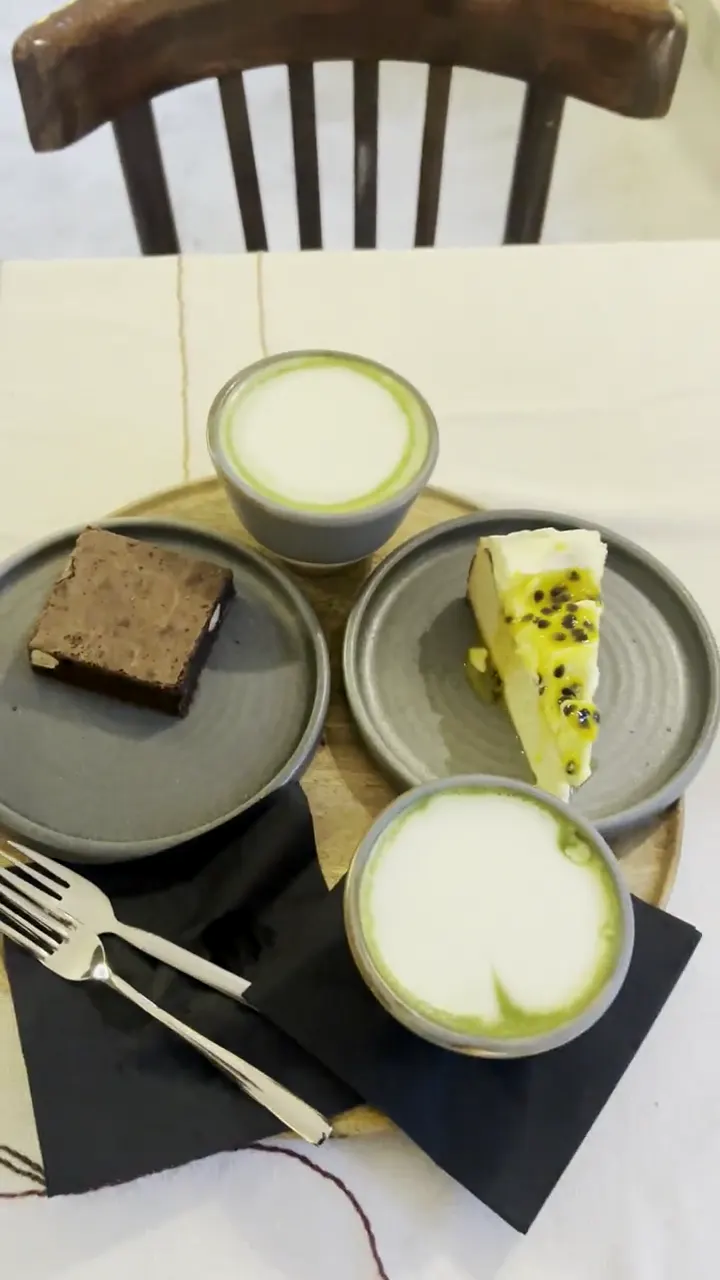
Start at Skanderbeg Square with the Et'hem Bey Mosque, then on to Bunk'Art 2 - a former interior-ministry bunker, now a memorial to the victims of the secret police. In the afternoon climb the Pyramid of Tirana, and in the evening head to Blloku: once off-limits for the party elite, now full of bars and cafés. I sat there with matcha and cake - you could hardly imagine a bigger contrast.
Day 2: Bunk'Art 1 and Mount Dajti
My highlight: Bunk'Art 1 on the edge of town. A huge nuclear bunker built for Hoxha and his government - and when I was there, almost empty. It impressed me more than many a big museum. The cable car up Mount Dajti starts nearby, and from the top you can see the whole city. Back in the centre: a raki at Komiteti, a café full of furniture from the communist era.
My verdict
48 hours are enough for Tirana - but not for Albania. Afterwards take the bus to Durrës on the coast. All the places in this guide are marked on my map.
Tip: Find tours and experiences in Tirana here on GetYourGuide – 5% cheaper with the code HIDDENGEMATLAS5. (Ad)