🇩🇪 Rügen Guide: 11 places – chalk cliffs, Rasender Roland, Prora & Hiddensee
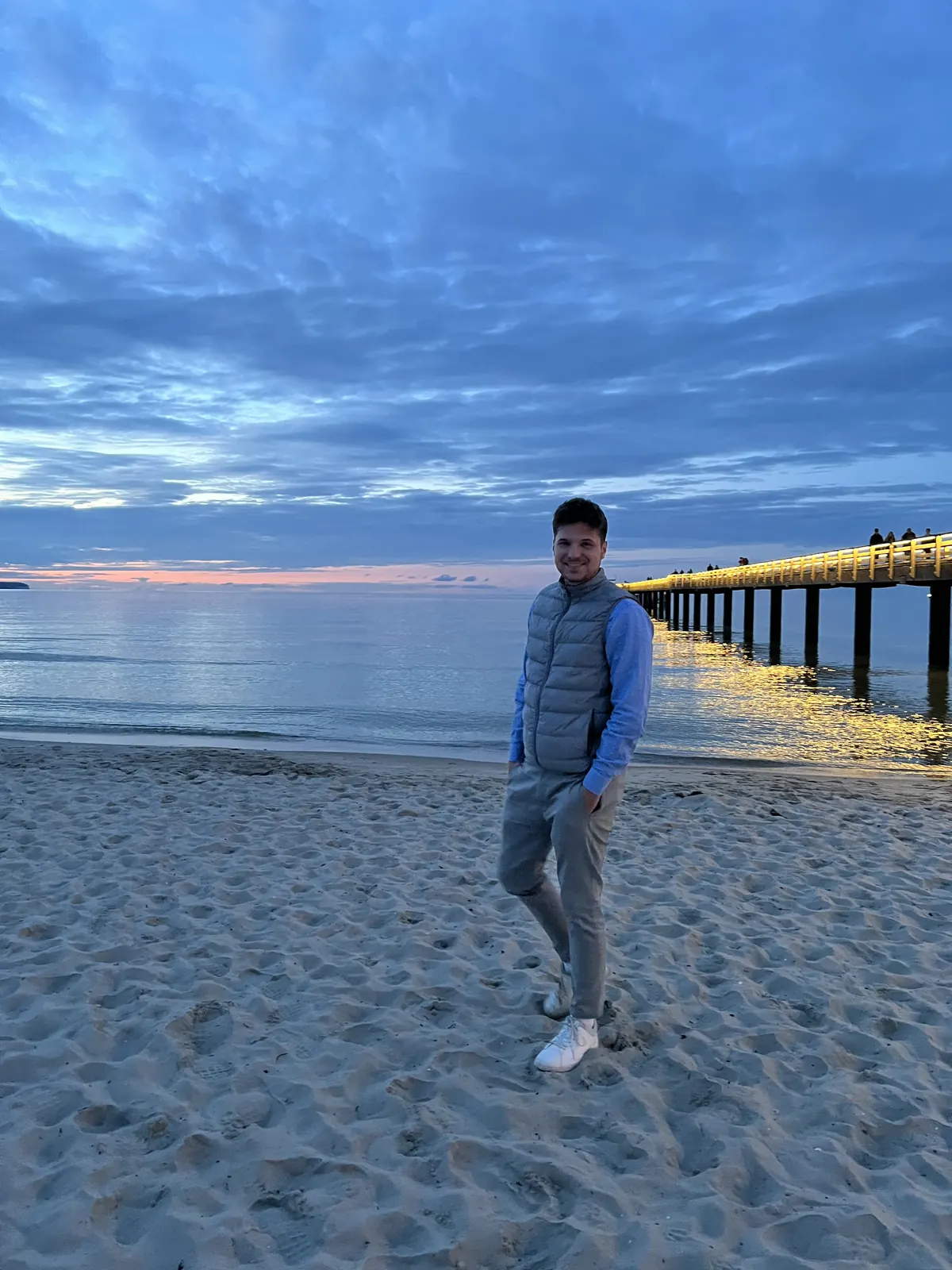
Table of contents
Rügen is Germany’s largest island: chalk, beech forest and spa architecture. Prices and times are guidelines (2026).
🗺️ Map: 9 places at a glance
My story in Rügen
My tip: walk along the chalk cliffs to the Königsstuhl and ride the Rasender Roland, the old steam train, to Binz.
This guide contains affiliate links (GetYourGuide, Omio). If you book through them I earn a small commission – you never pay a cent more. Prices and opening hours change – double-check before you go.
🆓 Free things to do
4 places in Rügen you can enjoy without an entry fee or completely free (for some, only a part costs extra, e.g. a tower or museum):
At a glance
Getting there and around
You reach Rügen via the Rügendamm; the island has rail lines and buses. For Jasmund National Park a car or bus is practical.
You reach Rügen via the Rügendamm near Stralsund by car or train (check timetables beforehand). On the island the Rasender Roland runs between Putbus, Binz, Sellin and Göhren; by bus or bike you reach the other places. For Cape Arkona and the chalk cliffs a car is practical.
In summer roads and car parks are full; allow parking time and start early. A bike is a good alternative on Rügen.
1. Must-sees
Chalk cliffs and Königsstuhl🆓 Free to experience
On foot along the chalk cliffs. The forest path is beautiful; the viewing platform costs extra (around €12) – the free Victoria viewpoint is a good alternative.
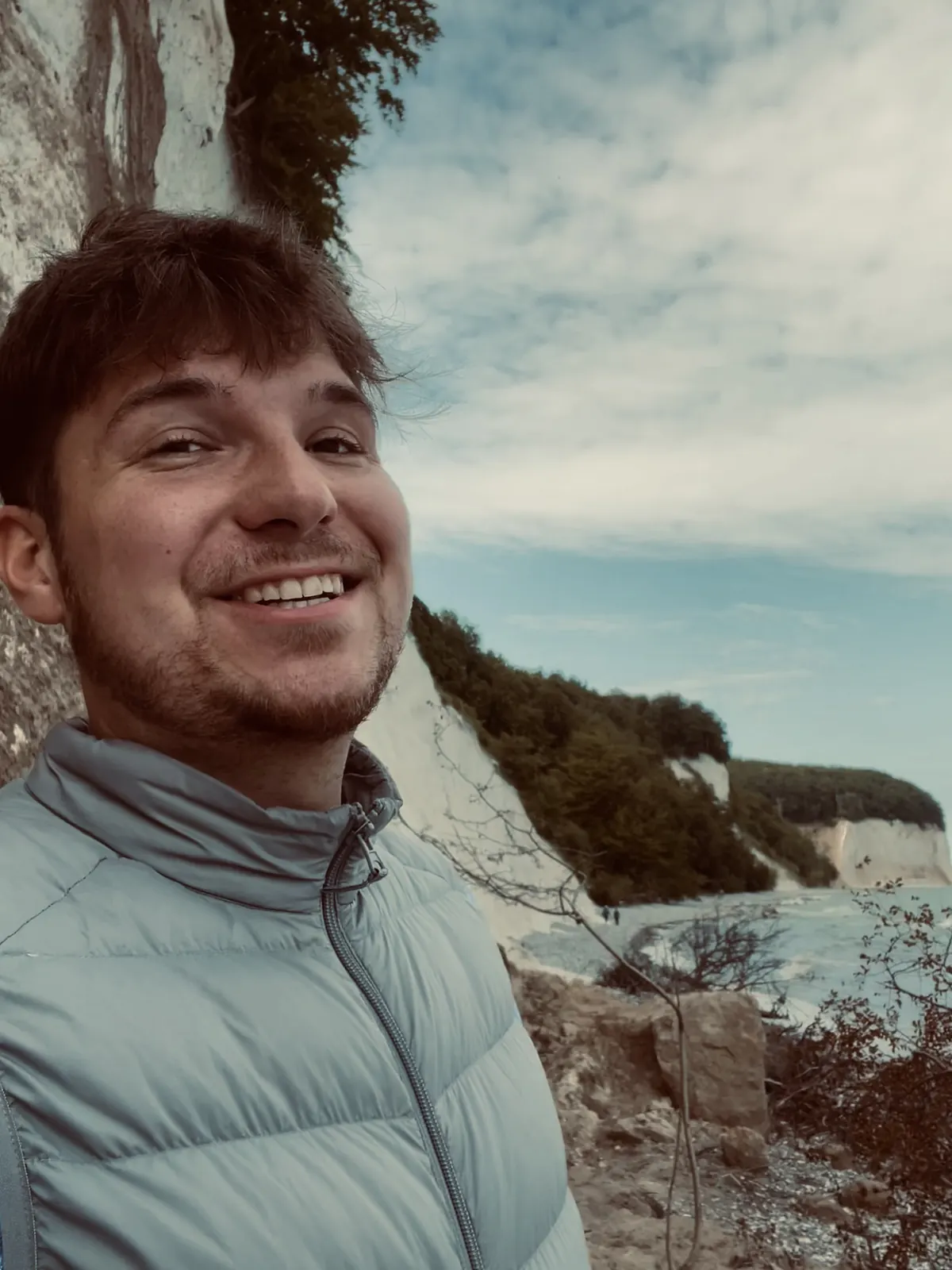
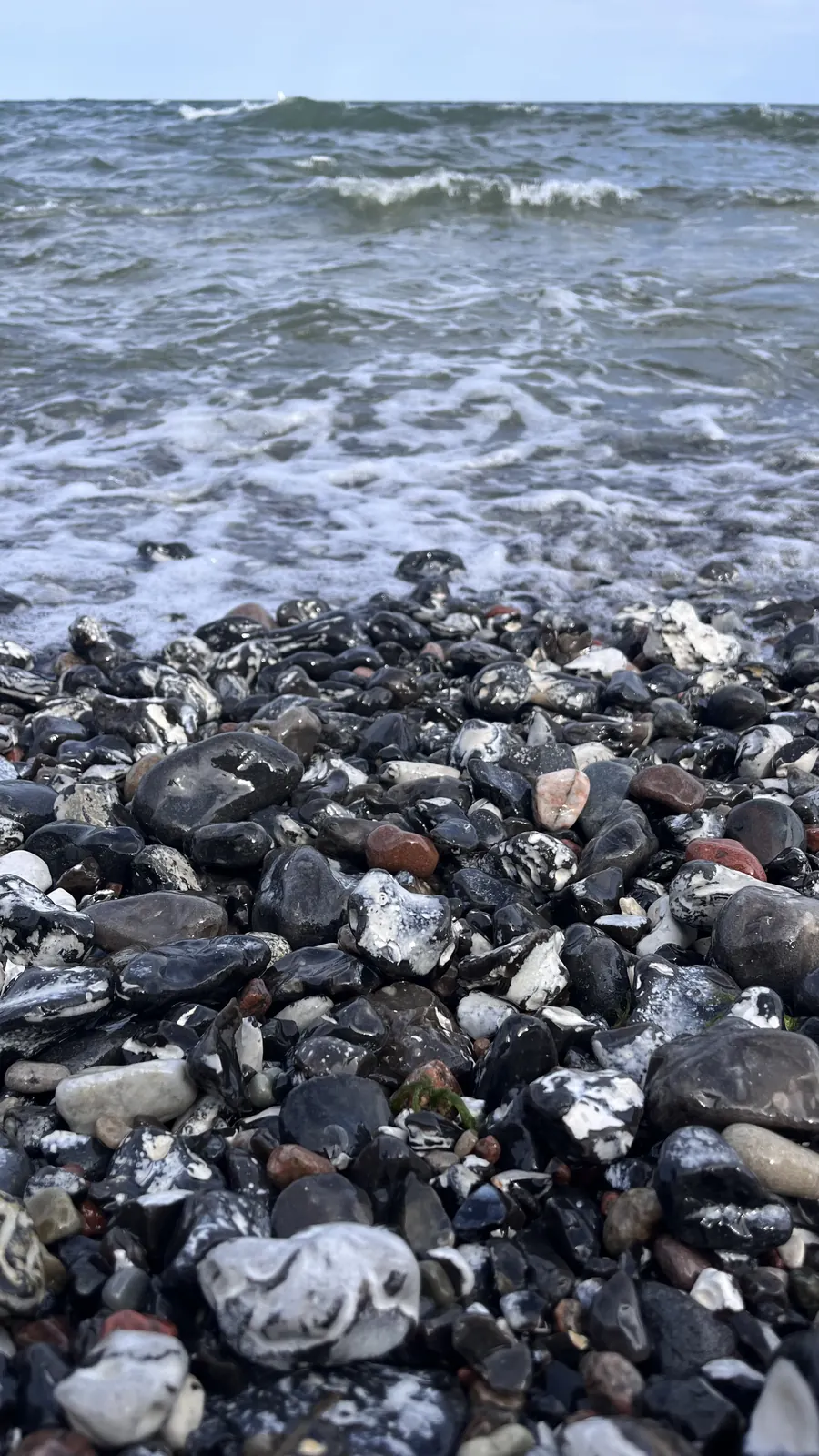
The chalk cliffs lie in the Jasmund National Park on the north-east coast of Rügen. The Königsstuhl at about 118 metres is the best-known point: a white rock that drops steeply into the sea. The national park path leads through beech forests that are part of the UNESCO World Heritage and to several viewpoints.
The viewpoint directly at the Königsstuhl is charged (check prices beforehand); free alternatives such as the Victoria-Sicht and the Wissower Klinken are reachable. Good shoes are necessary, especially after rain: the path is slippery, and the chalk coast is unstable – stay on the paths and keep away from the edge.
Tip: Come early in the day or late in the afternoon – by day in summer the paths are crowded.
Rasender Roland to Binz
The old steam railway.
The Rasender Roland (“Racing Roland”) is Rügen’s narrow-gauge steam railway, running since 1895 between Putbus, Binz, Sellin and Göhren. The ride takes about an hour and leads through woods, meadows and coastal resorts; the train does not “race” but rolls leisurely with the whistle of the steam locomotive.
There are single and day tickets (check prices beforehand). Steam and diesel trips alternate; ask for steam trains if that matters to you. The ride is especially beautiful in early autumn when the light is warm.
Tip: Ask for the steam trains and take a day ticket if you visit several places.
Hochuferweg Sassnitz – Königsstuhl🆓 Free to experience
The Hochuferweg leads from Sassnitz through the Jasmund National Park to the Königsstuhl, about 8 to 9 kilometres long. It runs through beech forest, with views of the Baltic and the chalk coast. You can walk the route in about two to three hours and return by bus or train.
The path is slippery in rain and gets crowded in summer. Take water and something to eat; there is hardly any supply along the way. The route is one of the most beautiful hikes on Rügen.
Tip: Start in Sassnitz and take the bus back in the evening.
Binz & resort architecture
Binz is Rügen’s best-known seaside resort: a long pier, white villas in resort architecture style and a promenade by the sea. Houses with wooden verandas and little towers shape the picture. You can lie on the beach, eat fish rolls on the promenade and stroll along the pier.
In summer it is crowded and prices are higher than in other places. If you seek peace, go to the beach early in the morning or visit Binz in spring or autumn.
Tip: Take the Rasender Roland there and stroll along the promenade.
Granitz Hunting Lodge
The Granitz hunting lodge in the forest between Binz and Sellin is a castle in the late-Romantic style of the 19th century. In the centre stands a tower about 38 metres high with an elaborately openwork cast-iron spiral staircase. From the top you have a wide view over the island.
You reach the castle by the Rasender Roland to the Jagdschloss stop and a short walk or shuttle. Plan about two hours; admission and opening times change.
Tip: Take the train to Jagdschloss and plan time for the tower.
Putbus – the white town
Putbus is considered the “white town” because the classicist houses around the Circus are almost all painted white. The circular square with the obelisk in the middle and the theatre make the place special. The palace park on the edge is a lovely place for a walk.
Putbus is the starting point of the Rasender Roland. Plan half a day if you want to see the place at leisure.
Tip: Combine the visit with the departure of the Rasender Roland.
2. Hidden gems
Prora💎 Hidden gem
A 4.5-kilometre concrete building that was never finished – on my map.
Prora is a building complex about 4.5 kilometres long that the Nazis had built in the 1930s as a gigantic “Strength through Joy” seaside resort. It was never completed; later the GDR army used it. Today parts contain holiday flats, a youth hostel and a documentation centre.
The documentation centre tells the story of the building and the era; a walk along the building gives you a sense of its scale. The place is oppressive and worth seeing at once. Check opening times and admission beforehand.
Tip: Plan the documentation centre and a beach walk together.
Cape Arkona & the fishing village of Vitt💎 Hidden gem🆓 Free to experience
Cape Arkona lies at the northern tip of the island. Here stand two lighthouses: the Schinkel Tower of 1827 and the Peilturm. From the cliff coast you have wide views over the Baltic. Nearby lies the small fishing village of Vitt with thatched houses, a chapel and cafés.
You reach Cape Arkona from the car park in Putgarten on foot or by a small train. It is quieter than the south of the island; plan half a day.
Tip: Go in clear weather and walk to Vitt.
Hiddensee – car-free island💎 Hidden gem
Hiddensee is a narrow island west of Rügen on which there are no cars. You get around on foot, by bike or by horse-drawn carriage. There are beaches, heath, the Dornbusch lighthouse and small villages such as Kloster and Vitte. The island is popular with artists.
You reach it by ship from Schaprode or Stralsund (check timetables beforehand). Plan a whole day and start early; in summer the ships are full.
Tip: Start early and rent a bike at the harbour.
Sellin – the pier💎 Hidden gem🆓 Free to experience
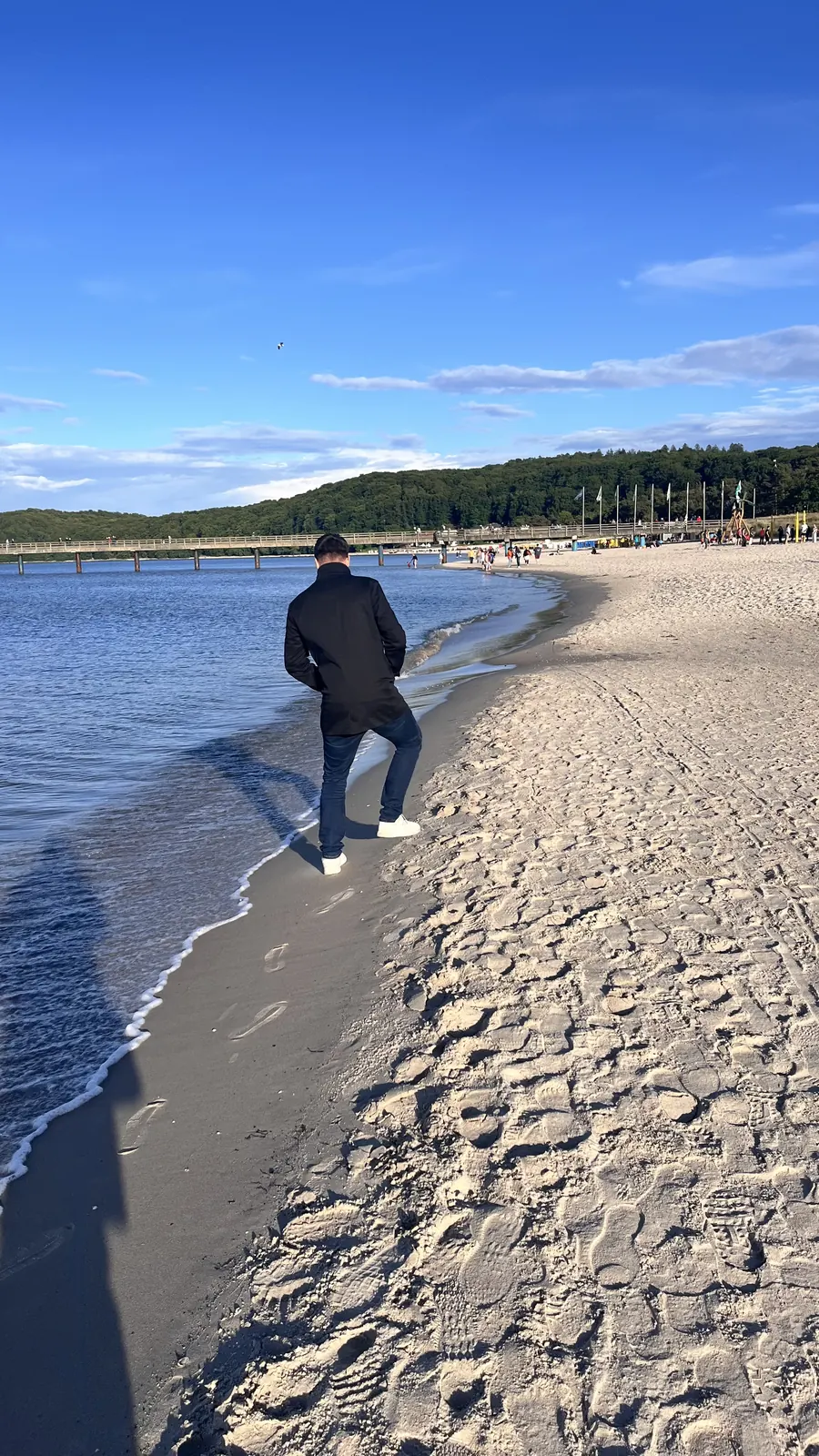
Sellin has one of the most beautiful piers on the Baltic: a white building at the end of the jetty with a café and restaurant that seems to float above the water. A walk along the jetty and the beach promenade is especially atmospheric in the evening.
The pier was rebuilt after destruction; today you sit there with coffee or dinner overlooking the sea. Plan an hour.
Tip: Come at sunset and take your time.
Fish rolls & sea buckthorn💎 Hidden gem
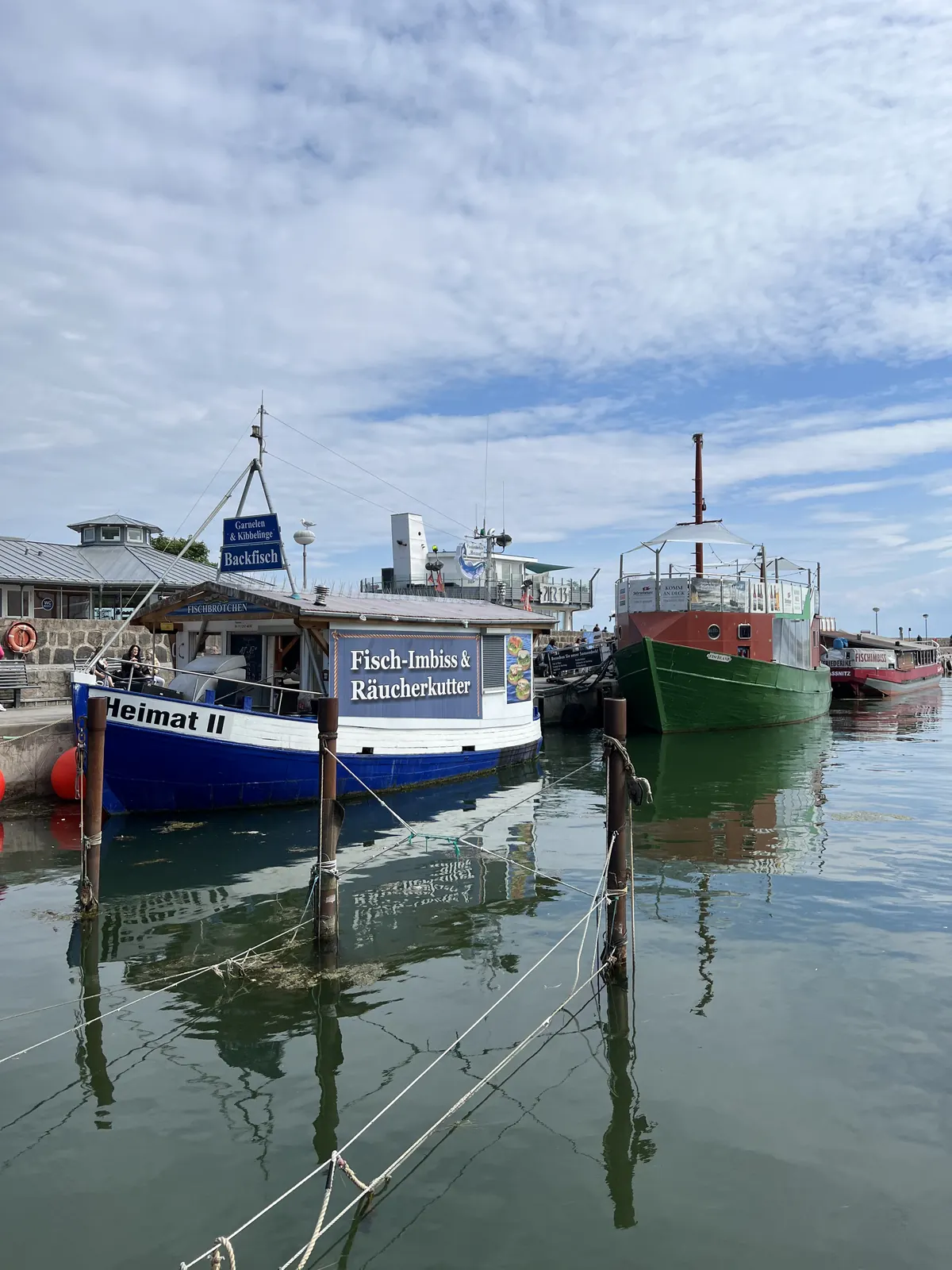
A day on Rügen includes a fish roll with matjes, Bismarck herring or smoked salmon, preferably in the harbour. A regional speciality is sea buckthorn (Sanddorn), an orange berry from which juice, liqueur, jam and ice cream are made.
Ask for sea buckthorn products in farm shops and cafés; also try smoked fish straight from the boat. Prices change, expect low single-digit euro amounts for a fish roll.
Tip: Try sea buckthorn juice or ice cream in a farm shop.
📍 Save this guide to Google Maps
1. Quick: open as a route
2. Permanent: as your own map (2 minutes)
- Download the file with all pins (KML button below).
- Open Google My Maps → “Create a new map” → “Import” → choose the file.
- Done – every place sits exactly where it should, with number, tip and a link back to the guide.
- In the Google Maps app the map appears under “Saved” → “Maps”, also on the go.
⬇️ All pins for Google Maps (KML) ⬇️ Download place list (CSV)
3. Save one by one
Your plan
Day 1: Day 1 – Chalk cliffs & Sassnitz
- Morning – Hochuferweg from Sassnitz to the Königsstuhl
- Midday – fish roll in the harbour
- Afternoon – Wissower Klinken or Victoria-Sicht
- Evening – back
Day 2: Day 2 – Resort railway & beach
- Morning – Putbus and Rasender Roland
- Midday – Granitz Hunting Lodge
- Afternoon – Binz and Prora
- Evening – Sellin pier
Day 3: Day 3 – North & Hiddensee
- All day – Cape Arkona and Vitt or Hiddensee by ship
FAQ
Is the Königsstuhl worth the admission?
Opinions differ; the forest path is the main reason.
How many days do you need on Rügen?
Do I need a car on Rügen?
🗺️ All places on my map → More guides and reels on Instagram: @hiddengem.atlas
Share this guide: On WhatsApp