🇹🇳 Sousse Guide: 11 places – medina, Ribat, El Jem, Kairouan & more
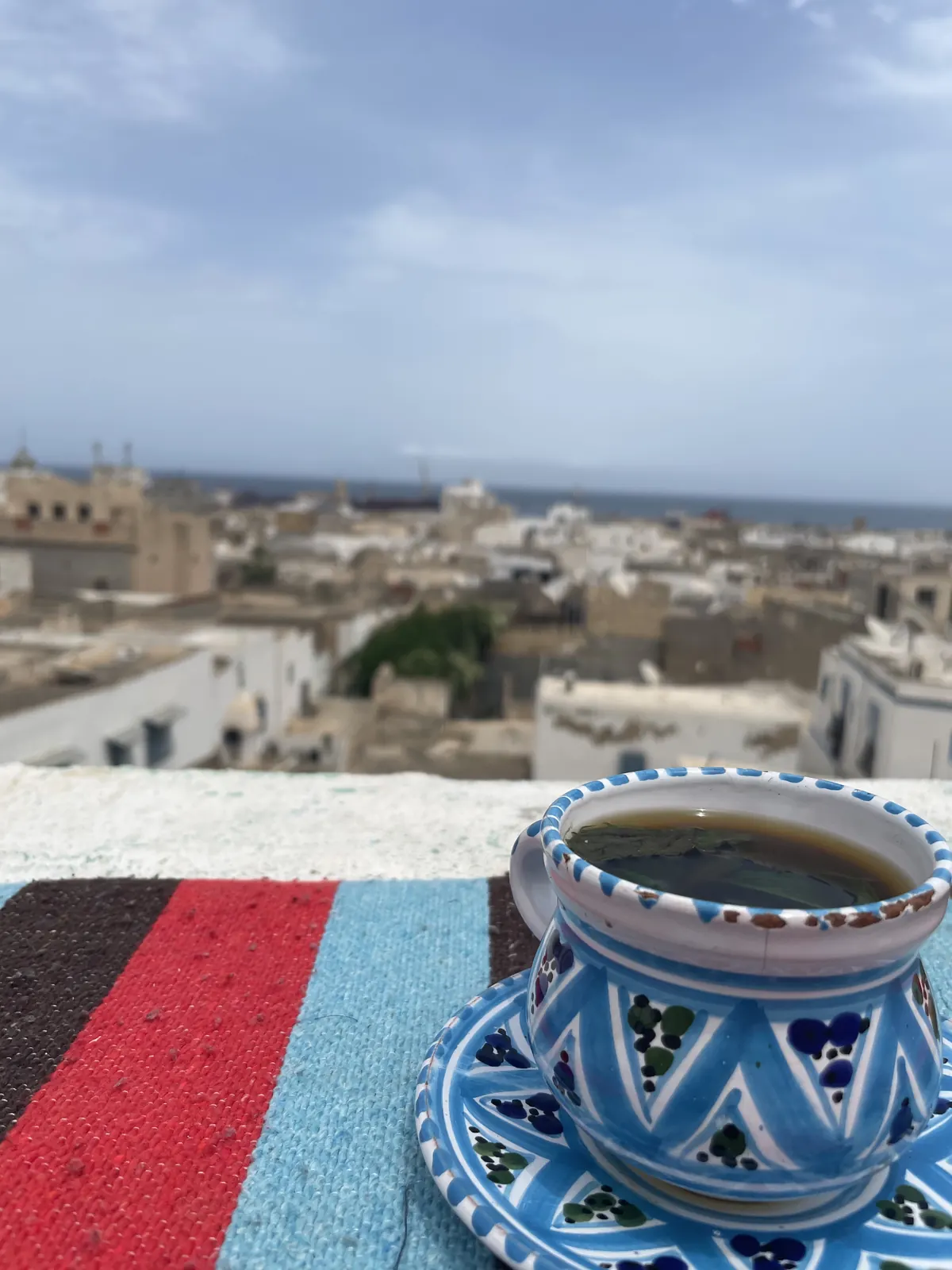
Table of contents
Tunisia is just a beach holiday for many – behind the hotel beach waits one of North Africa’s most beautiful old towns. Prices and times are guidelines (2026).
🗺️ Map: 6 places at a glance
My story in Sousse
I was in Sousse – and behind the hotel beach waits one of North Africa’s most beautiful old towns. My tip: the medina of Sousse is a UNESCO World Heritage Site – go in early, climb the Ribat and look out over the rooftops.
This guide contains affiliate links (GetYourGuide, Omio). If you book through them I earn a small commission – you never pay a cent more. Prices and opening hours change – double-check before you go.
🆓 Free things to do
3 places in Sousse you can enjoy without an entry fee or completely free (for some, only a part costs extra, e.g. a tower or museum):
At a glance
Getting there and around
The nearest airport is Monastir; from there you go by transfer or taxi to Sousse. Inform yourself about the current travel advice of the German Foreign Office before travelling.
From Monastir (airport) or Enfidha you drive to Sousse in about 20 to 40 minutes; a taxi or transfer is easiest. In the city you use taxis (with meter) or the Metro du Sahel for trips along the coast. Louages (shared taxis) run between towns.
The currency is the Tunisian dinar; it may not be exported, so only exchange what you need on site. Check the current travel and safety advice of the German Foreign Office before the trip.
1. Must-sees
Medina and Ribat🆓 Free to experience
Go in early, climb the Ribat and look over the rooftops. Admission is about 8 dinars; many steps lead up to the tower. The Ribat dates from the 8th century.
The medina of Sousse has been a UNESCO World Heritage Site since 1988: a labyrinth of lanes, souks, mosques and houses within the city wall. The Ribat of 821 was a fortified monastery fortress and is one of the oldest buildings of its kind in North Africa. From the tower you have a wide view of medina, harbour and sea.
The medina is most beautiful in the early morning, before the heat and the traders turn up. Wear comfortable shoes; many lanes are uneven. Check opening times and admission beforehand.
Tip: Come early in the morning and climb the Ribat tower first.
El Jem – Roman amphitheatre
A day trip to El Jem is worthwhile, where one of the world’s largest Roman amphitheatres stands. Come early in the day.
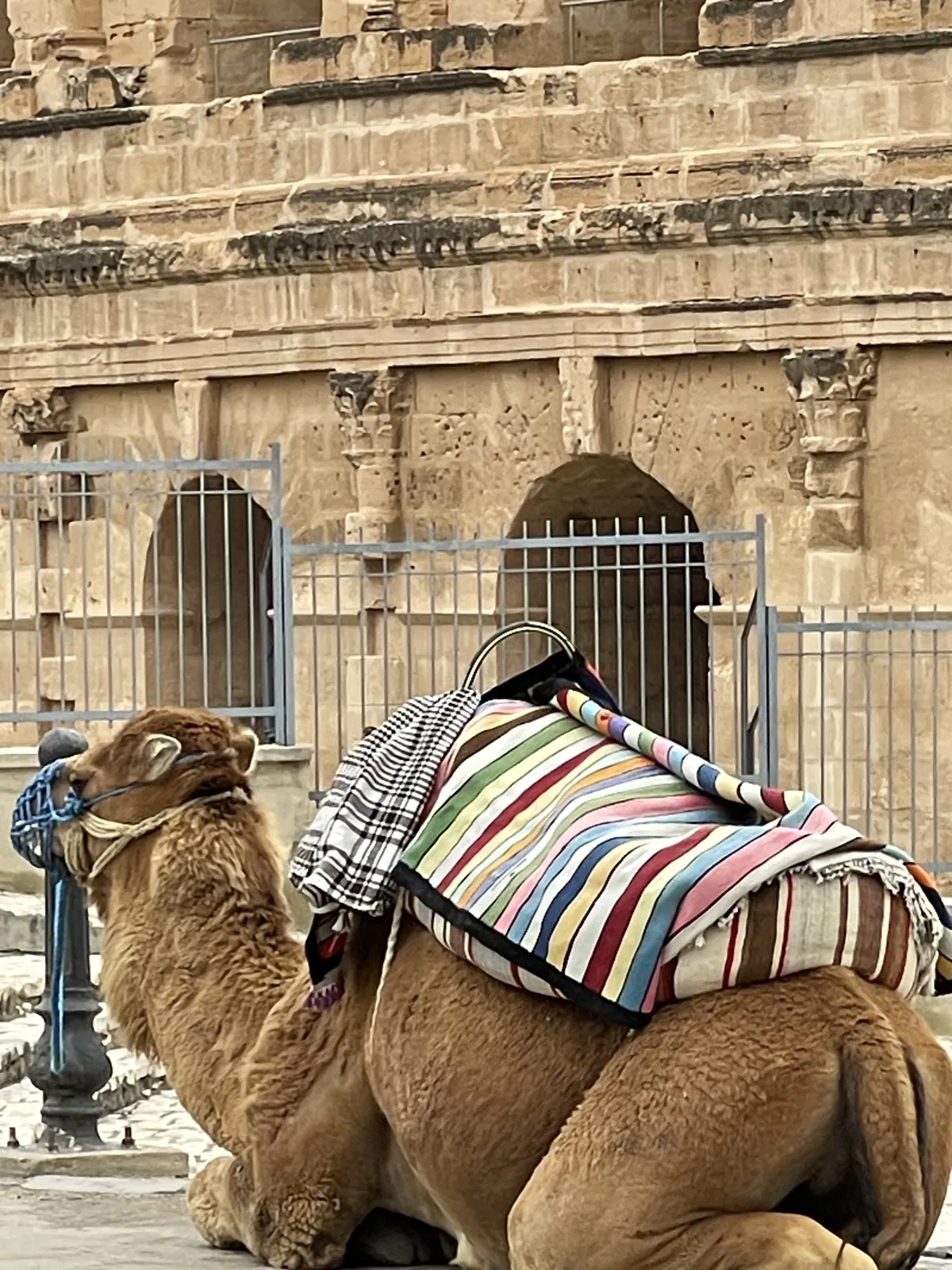
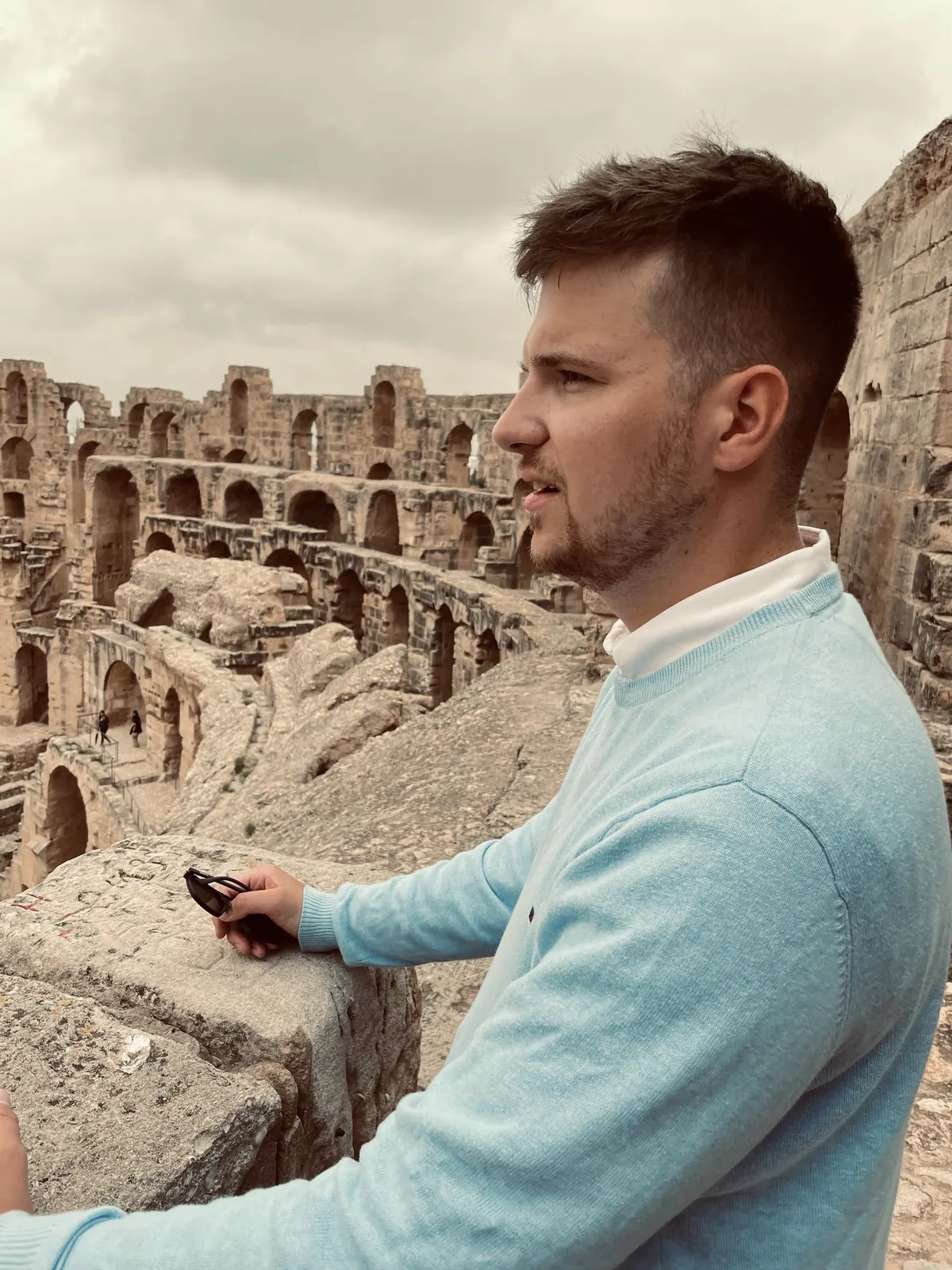
The amphitheatre of El Jem dates from the 3rd century and had room for about 30,000 spectators – it is among the largest and best-preserved Roman amphitheatres in the world. You can climb the stands, walk through the corridors under the arena and experience the acoustics.
El Jem lies about 60 kilometres south of Sousse; you get there by train, louage (shared taxi) or rental car. With the return trip plan half a day to a full day. Come early before the heat rises and take water and sun protection.
Tip: Go early by train or louage and take enough water.
Great Mosque of Sousse
The Great Mosque was built in the 9th century and is a plain, fortress-like building with a large courtyard. The clear architecture without minaret decoration feels calm and severe. Non-Muslims may partly enter the courtyard; check rules and times beforehand.
Dress appropriately (cover shoulders and knees) and behave quietly. Plan half an hour; the mosque lies in the medina next to the Ribat.
Tip: Combine it with the Ribat in one tour.
Archaeological Museum in the Kasbah
The Archaeological Museum of Sousse lies in the Kasbah and holds one of the largest collections of Roman mosaics in Tunisia – colourful floor mosaics with gods, animals and scenes from everyday life. The building itself, with tower and courtyard, is already worth seeing.
Plan about one to two hours; admission and opening times change. A good tip in heat because it is pleasantly cool inside.
Tip: Perfect for the hot midday hours.
Souks & lanes of the medina🆓 Free to experience
In the souks of the medina you find spices, leather goods, ceramics, carpets, fabrics, jewellery and souvenirs. Traders call out to you, and haggling is part of it: start at about half the quoted price, stay friendly and smile. A small tea often belongs to the deal.
You do not have to buy anything if you do not want to – a clear, friendly “no, thank you” is enough. Compare prices before you buy and carry only little cash.
Tip: Compare prices in several shops before you buy.
Catacombs of the Good Shepherd
The catacombs of Sousse are an early Christian burial site from the 3rd century, with long underground corridors and thousands of graves. You can visit part of the complex. The catacombs are considered among the largest in the Mediterranean outside Rome.
The visit is quiet and oppressive at once. Check opening times and admission beforehand; a torch or phone light is useful.
Tip: Bring a torch or phone light.
2. Crazy but true
Film sets💎 Hidden gem
Monastir – Ribat & mausoleum💎 Hidden gem
About 20 kilometres south lies Monastir with another Ribat from the 8th century, the backdrop for “Life of Brian”. Next to it stands the mausoleum of Habib Bourguiba, Tunisia’s first president, with golden dome and marble. A walk through the town leads you to the beach and the marina.
Monastir is easily reached by the small coastal railway (Metro du Sahel). Plan half a day; check times beforehand.
Tip: Take the Metro du Sahel and walk to the sea.
Kairouan – the holy city💎 Hidden gem
Kairouan is considered the fourth holy city of Islam and lies about 60 kilometres west of Sousse. The Great Mosque of Kairouan, founded in the 7th century, is one of the oldest and most important mosques in North Africa. You can visit the courtyard and partly the interior (check rules and times beforehand).
The medina is a UNESCO World Heritage Site and known for carpets and sweet pastries (makroud). A day trip by car or louage is worthwhile; dress respectfully.
Tip: Go early and try makroud in the medina.
Port El Kantaoui – harbour & promenade💎 Hidden gem🆓 Free to experience
Port El Kantaoui is a marina north of Sousse with promenade, cafés, restaurants and boats. In the evening it is pleasant for walking; excursion boats go out to sea by day. The place was built in the 1970s as a holiday resort and is touristy.
If you need a break from the medina the promenade is a quiet place for a tea with a view of the water. Plan an evening.
Tip: Come in the evening and drink a mint tea by the water.
Eating Tunisian: brik, lablabi & couscous💎 Hidden gem
Tunisian cuisine is spicy and Mediterranean: brik (crispy pastry pocket with egg and tuna), lablabi (chickpea soup with bread and harissa), couscous with meat or fish and salad with olives and tuna. Makroud or fresh fruit suit as dessert.
Drink mint tea with pine nuts. A simple meal in small eateries usually costs little; ask the price beforehand. Harissa is hot – add it carefully.
Tip: Try brik and ask how hot the harissa is.
What makes Tunisia special
Carthage, Rome’s great rival, lay here. In antiquity Sousse was called Hadrumetum, beneath the city lie kilometres of early Christian catacombs. In December 2010 the Arab Spring began in Tunisia.
📍 Save this guide to Google Maps
1. Quick: open as a route
2. Permanent: as your own map (2 minutes)
- Download the file with all pins (KML button below).
- Open Google My Maps → “Create a new map” → “Import” → choose the file.
- Done – every place sits exactly where it should, with number, tip and a link back to the guide.
- In the Google Maps app the map appears under “Saved” → “Maps”, also on the go.
⬇️ All pins for Google Maps (KML) ⬇️ Download place list (CSV)
3. Save one by one
Your plan
Day 1: Day 1 – Medina
- Early – medina, Ribat and Great Mosque
- Midday – break in a café, brik or lablabi
- Afternoon – Archaeological Museum and souks
- Evening – Port El Kantaoui
Day 2: Day 2 – Excursion
- Early – El Jem by train or louage
- Midday – return or onward to Kairouan
- Evening – Monastir or beach
FAQ
Is El Jem worth a day trip?
Yes – one of the world’s largest Roman amphitheatres.
How many days do you need in Sousse?
Do I need cash in Sousse?
🗺️ All places on my map → More guides and reels on Instagram: @hiddengem.atlas
Share this guide: On WhatsApp