🇯🇵 Tokyo Guide: 11 places – Meiji Shrine, Shibuya, Golden Gai & hidden gems
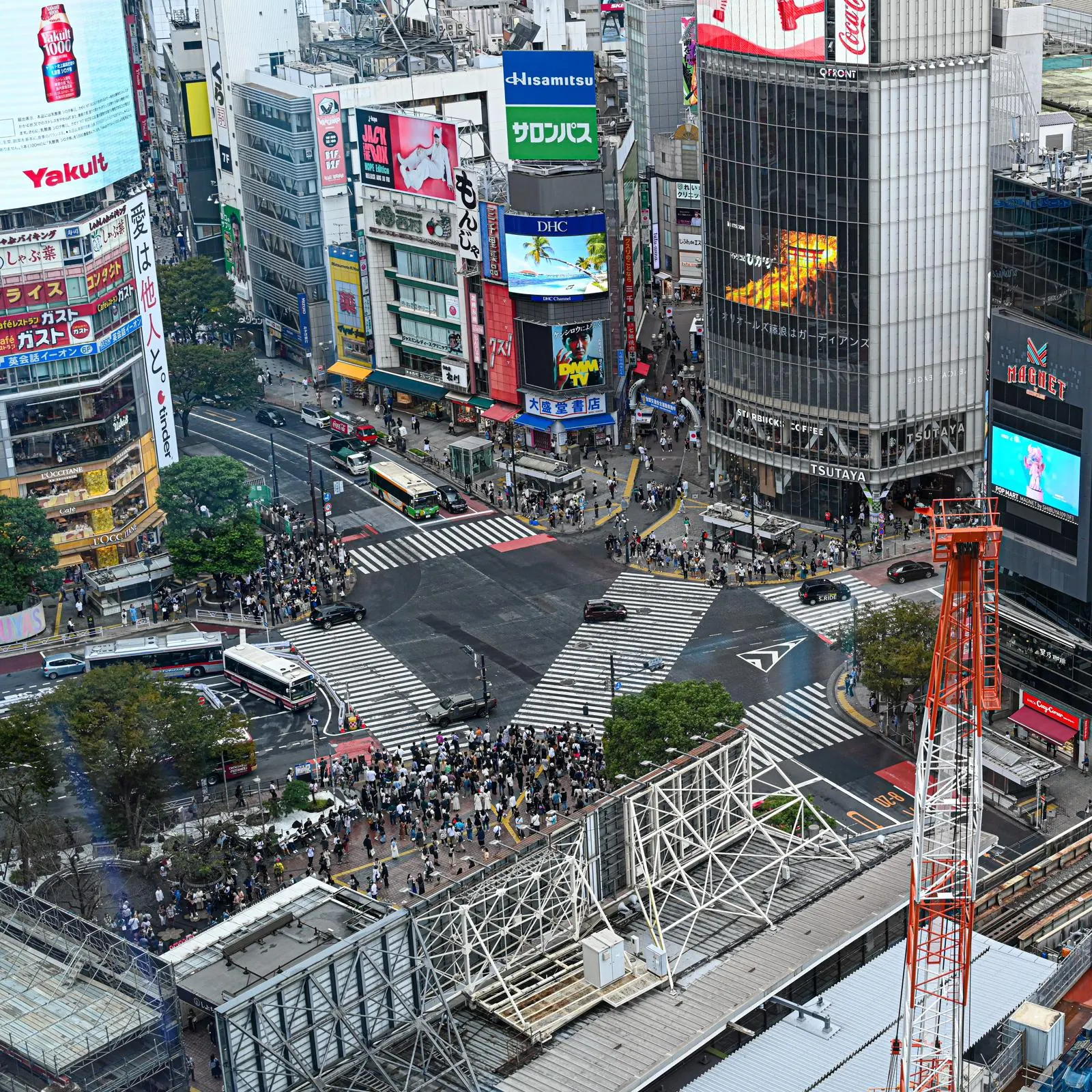
Table of contents
Tokyo is loud, huge and surprisingly polite. Prices and times are guidelines (2026).
🗺️ Map: 11 places at a glance
My story in Tokyo
Shibuya at night is Tokyo in its purest form for me: neon, people, energy. What impressed me most in Japan, though, was how people treat each other – kindness costs nothing. My advice: Meiji Shrine and Harajuku by day, Shibuya at sunset.
This guide contains affiliate links (GetYourGuide, Omio). If you book through them I earn a small commission – you never pay a cent more. Prices and opening hours change – double-check before you go.
🆓 Free things to do
3 places in Tokyo you can enjoy without an entry fee or completely free (for some, only a part costs extra, e.g. a tower or museum):
At a glance
Getting there and around
Tokyo is served by Narita and Haneda airports; trains and buses take you into the city. The subway network is dense; check current tickets beforehand.
From Haneda airport you reach the centre by train or monorail in about 30 to 40 minutes; from Narita airport it takes about 60 to 90 minutes by Narita Express or Skyliner (check timetables and prices beforehand). In the city you use the JR Yamanote Line (the loop) and the metro; an IC card (Suica or Pasmo) makes paying easy.
Cash is still important in Tokyo: small eateries and temples often take only yen. ATMs in convenience stores such as 7-Eleven usually accept foreign cards.
1. Must-sees
Meiji Shrine🆓 Free to experience
A forest walk in the middle of Tokyo. Astonishingly quiet; eating and drinking are not allowed in the shrine area.
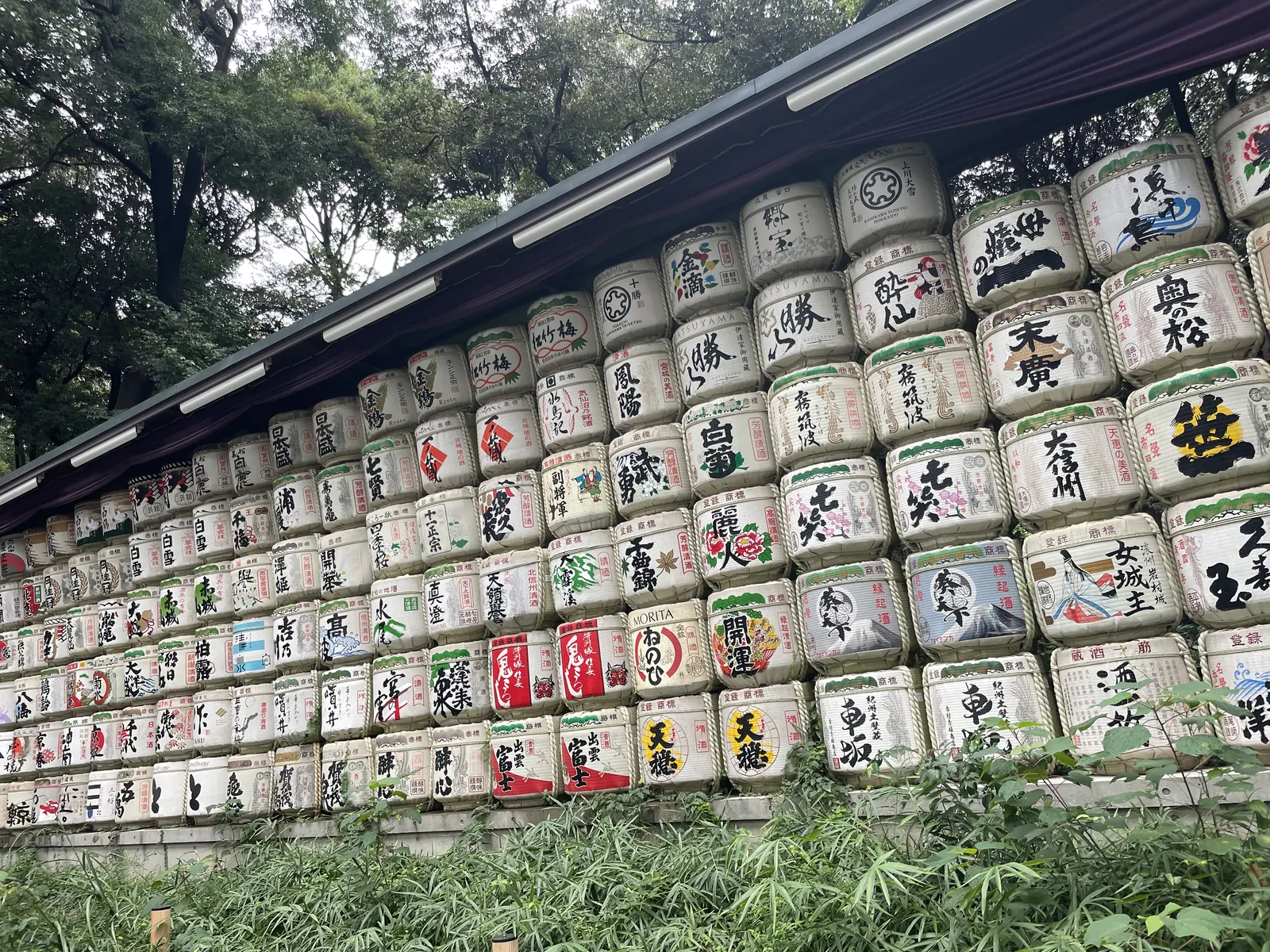
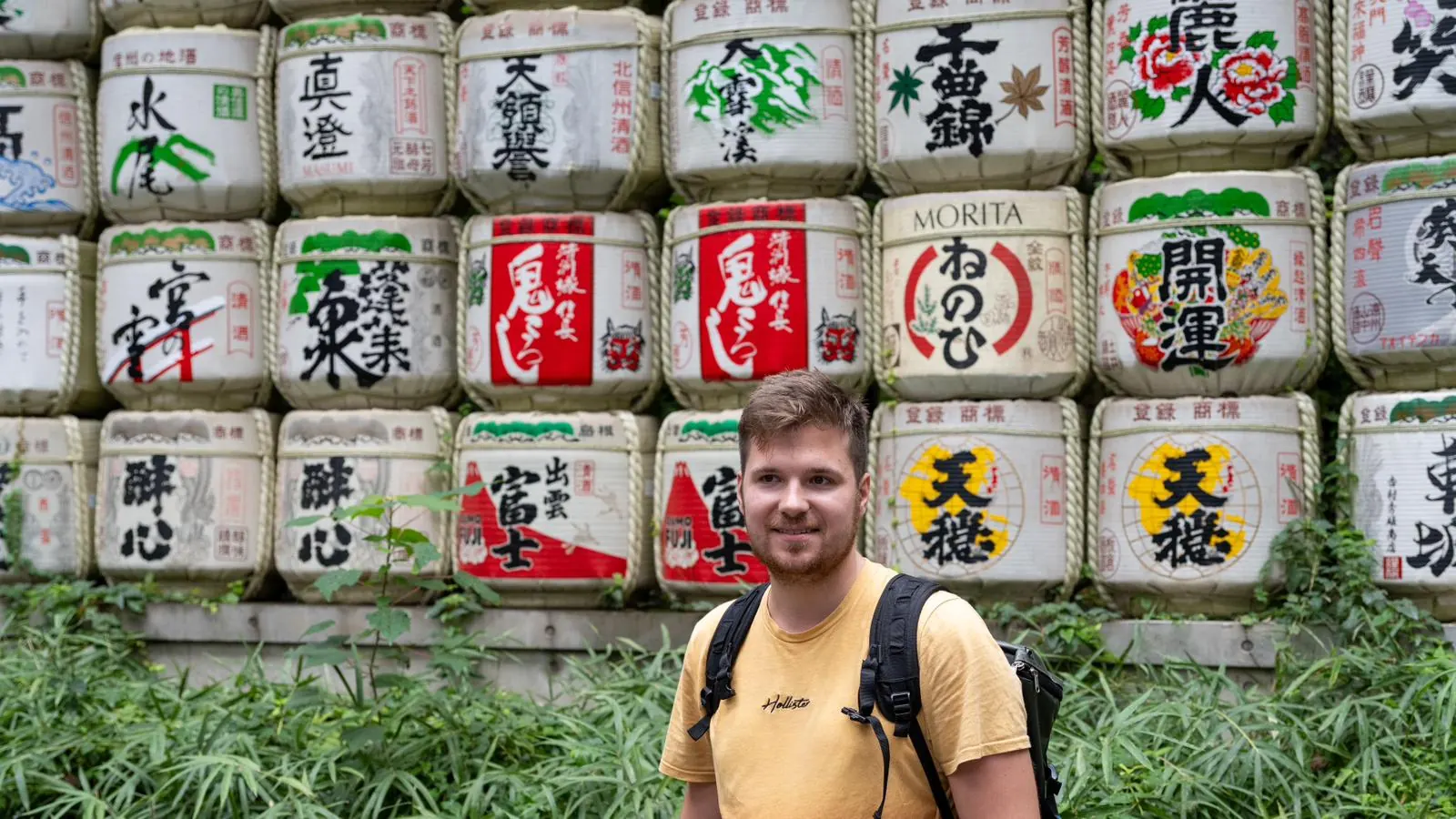
Meiji Shrine was built in 1920 for Emperor Meiji and Empress Shōken and lies in a forest of about 70 hectares with roughly 100,000 donated trees. You enter through a huge torii and walk on a gravel path between tall trees to the main building. Along the way stand stacked sake barrels donated to the shrine.
With luck you see a traditional wedding procession. Behave quietly, bow slightly at the torii and photograph respectfully. Plan about an hour; entry to the shrine grounds is free.
Tip: Come in the morning when the forest is almost empty and go to Harajuku afterwards.
Harajuku
Right next to the shrine: fashion, crêpes and street scene.
Harajuku is the district of youth culture. On Takeshita-dōri, a narrow pedestrian street, colourful shops, crêpe stalls, sweets and streetwear line up; at weekends it is very crowded. A few steps further Omotesandō shows another face: a wide avenue with designer shops and modern architecture.
Try a crêpe with cream and fruit, look into the second-hand shops and treat yourself to a matcha coffee. Plan two to three hours; on weekdays it is more relaxed.
Tip: Come on a weekday and walk along Omotesandō when you need quiet.
Shibuya Crossing
To Shibuya at sunset: neon, people, energy. My tip: watch from above first, then cross once yourself.
The Shibuya Crossing is considered one of the busiest crossings in the world: when all the lights are red, hundreds of people cross the street from all directions at the same time. You can cross yourself or watch from above, for example from Shibuya Sky, a viewing platform at about 230 metres (book tickets online in advance, check prices).
The time shortly before and after sunset is especially beautiful when the neon signs come on. At the station stands the Hachikō statue, a popular meeting point. Plan an hour.
Tip: Book Shibuya Sky for sunset – the slots go fast.
Sensō-ji & Asakusa
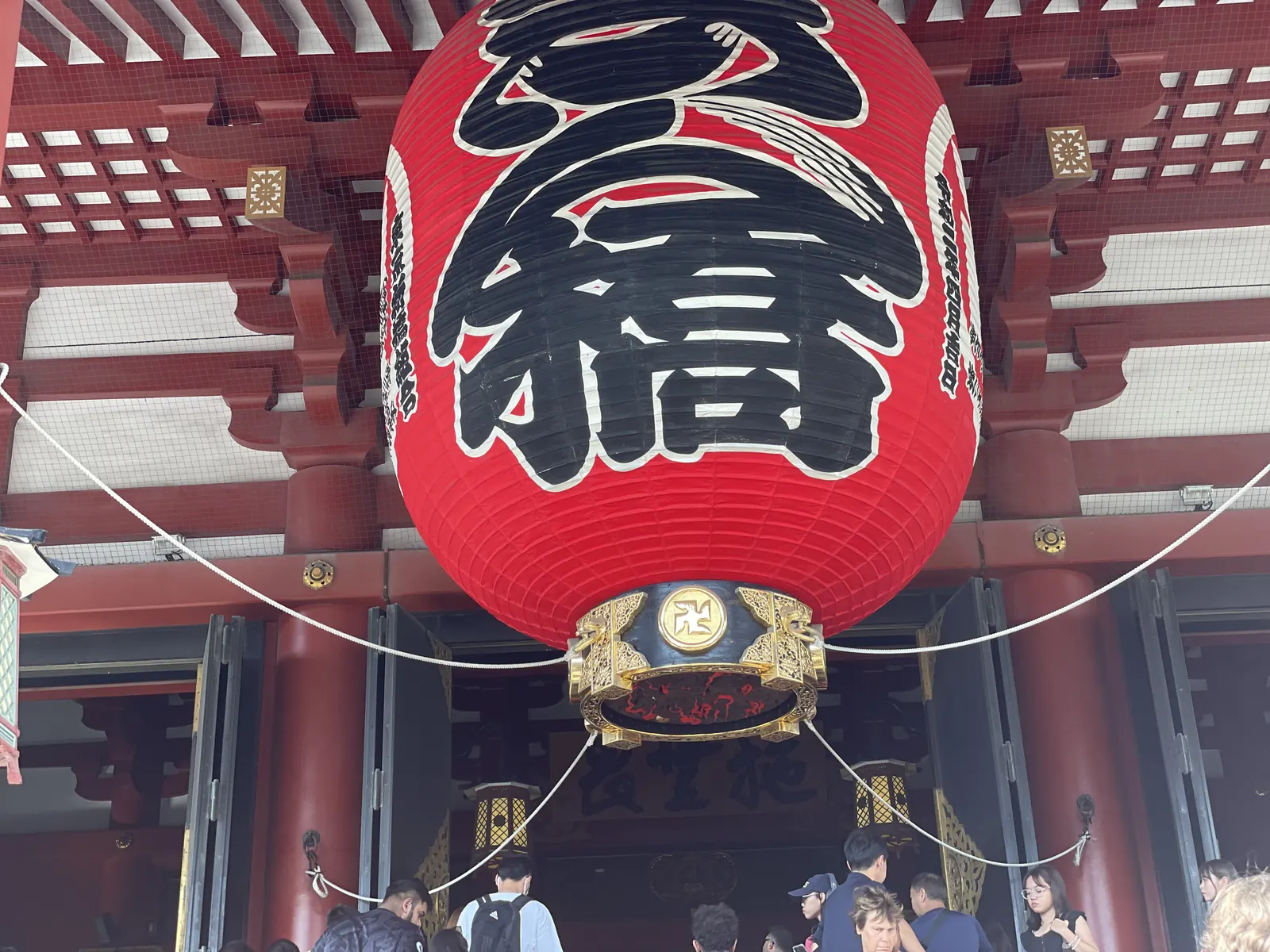
Sensō-ji in Asakusa is Tokyo’s oldest temple; it goes back to the 7th century. You enter through the large red Kaminarimon gate with its giant lantern and walk along Nakamise-dōri, a shopping street with souvenirs, snacks and pastries. At the main hall you can light incense and draw omikuji (fortune slips).
The temple is very crowded by day; early in the morning or in the evening, when it is lit, it is quieter. Nearby you can try street food and enjoy the view of the Skytree.
Tip: Come before 8 a.m. or after sunset when it is quieter.
Shinjuku: Golden Gai, Omoide Yokochō & city-hall view🆓 Free to experience
Shinjuku is the high-rise district with the largest station in the world. Right behind it lie narrow lanes with small eateries: Omoide Yokochō (“Memory Lane”) with yakitori stalls and Golden Gai, a tangle of about 200 tiny bars that often seat only a few guests. Some bars charge a cover or are for regulars only – look at the signs.
A free view is offered by the Tokyo Metropolitan Government Building: the observation deck lies at about 200 metres (check opening hours beforehand). Plan the evening for Shinjuku.
Tip: Look at the signs on the bars and ask about the cover charge before you enter.
Tsukiji Outer Market
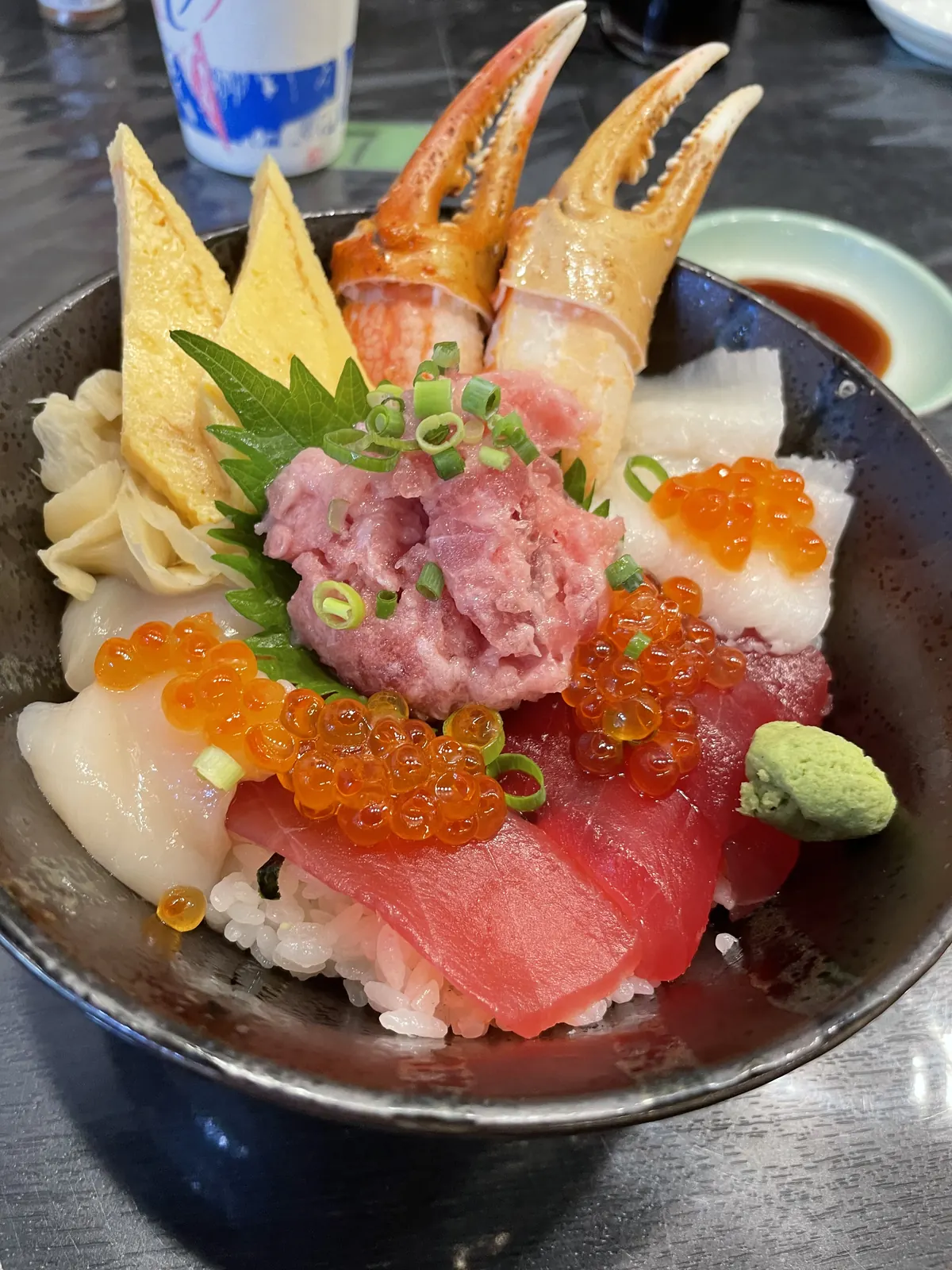
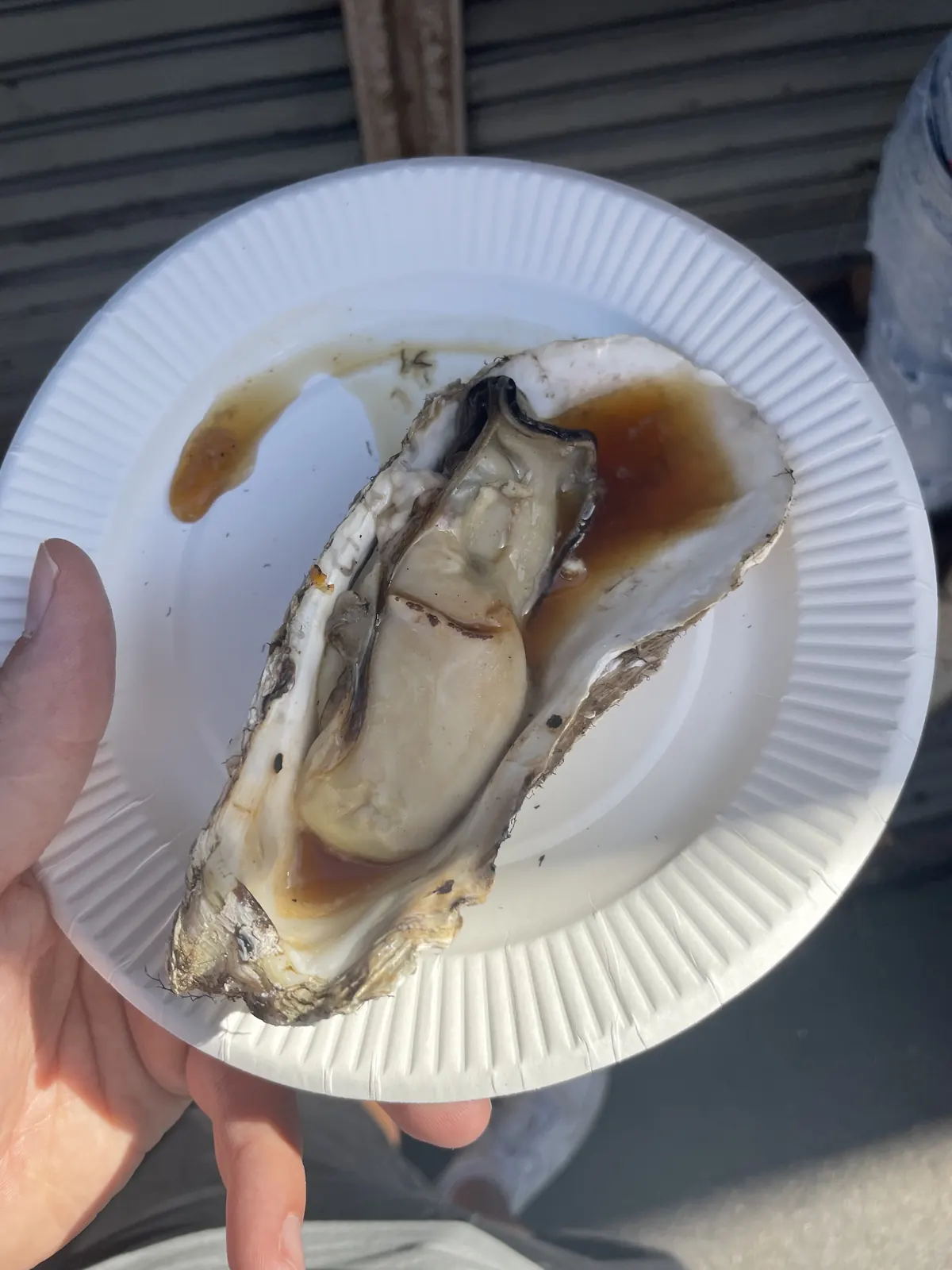
The big fish market moved to Toyosu in 2018, but the outer market of Tsukiji continues to exist: narrow lanes with dozens of stalls and small eateries for sushi, tamagoyaki (egg omelette), grilled seafood and street food. It is a good place for an early breakfast.
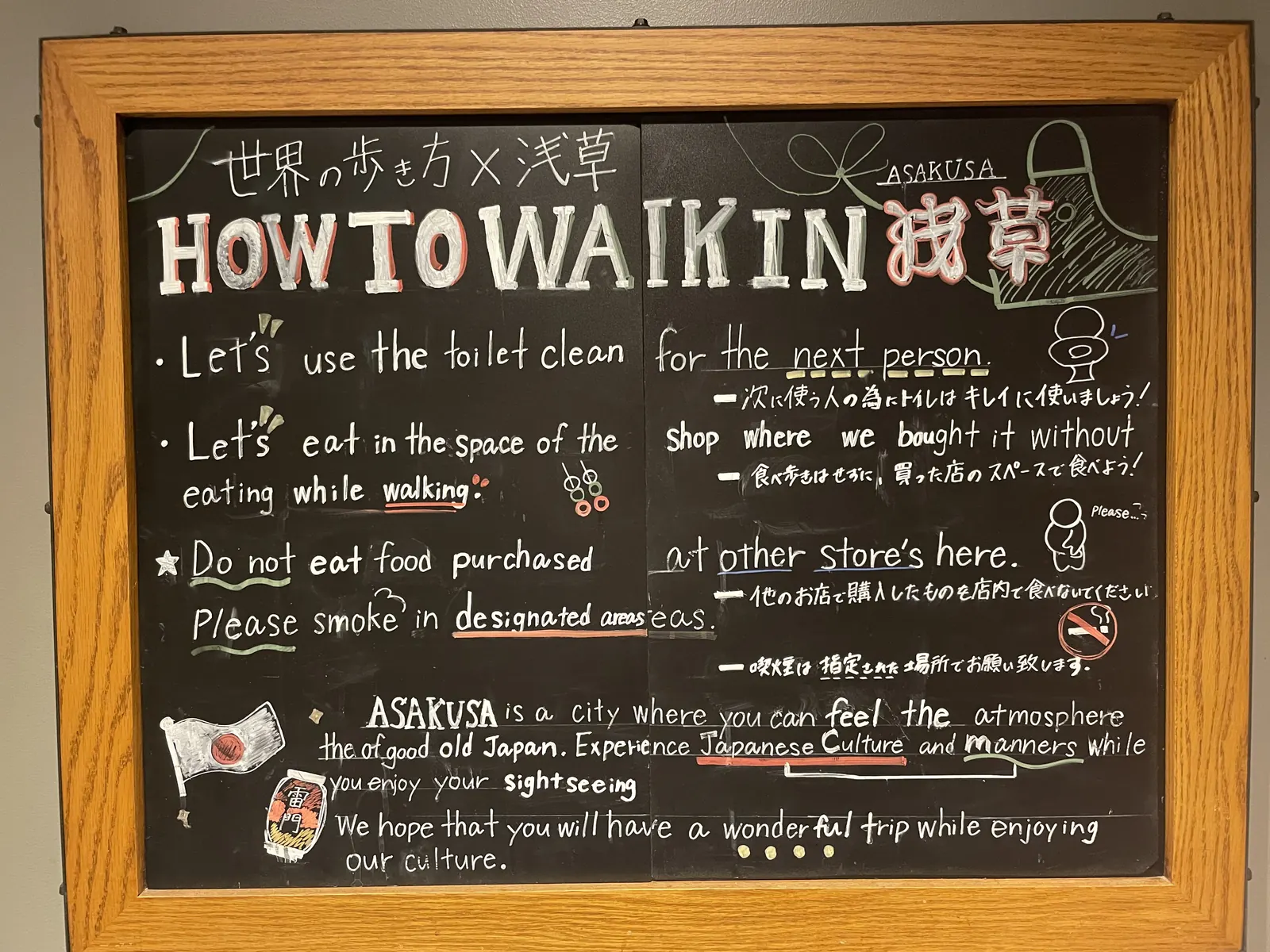
Come in the morning, because many stalls close at midday or in the afternoon. In the narrow lanes you should not eat while walking – eat at the stall. Plan one to two hours.
Tip: Come before 10 a.m. and eat at the stall, not while walking.
Imperial Palace East Gardens🆓 Free to experience
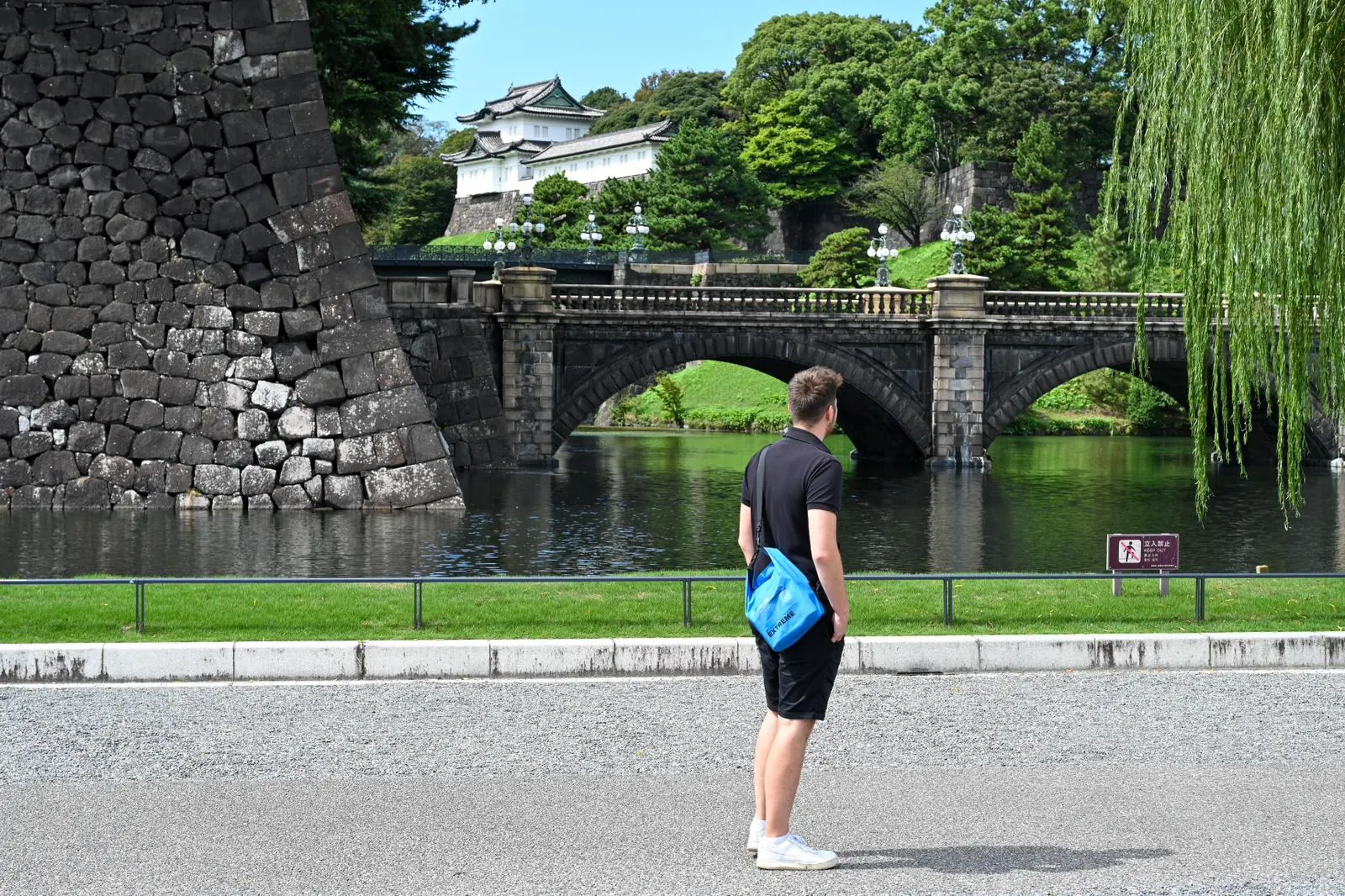
The East Gardens of the Imperial Palace (Higashi Gyoen) are the former area of Edo Castle and free to enter. You see old ramparts, stone walls, moats and well-kept gardens; some buildings and moats have survived. The palace itself is not open to the public.
The gardens are quiet and suit a walk after the crowds in Shibuya. Check opening times and closing days (often Monday and Friday) beforehand.
Tip: Check the closing days and plan a quiet morning.
2. Hidden gems in Tokyo
Nakameguro – canal, cafés & cherry blossom💎 Hidden gem
Nakameguro lies on the Meguro River, on whose banks hundreds of cherry trees bloom in spring. The district is quiet, with small cafés, boutiques and bars along the water. In spring it is crowded, otherwise a relaxed place for a walk and coffee.
Come in the afternoon, walk along the river and find a café with a view of the water. The cherry blossom is usually late March to early April; the exact timing varies.
Tip: Come during the cherry blossom on a weekday or early in the morning.
Shimokitazawa – vintage & live music💎 Hidden gem
Shimokitazawa is a district full of second-hand shops, small cafés, record shops and live-music clubs. The lanes are winding and shaped by young people, artists and students. It is a relaxed alternative to Shibuya and Harajuku.
Plan an afternoon, browse vintage shops and drink a coffee. In the evening there is live music in small clubs. Many shops only open around noon.
Tip: Come in the afternoon when the shops are open and stay until the evening.
Yanaka – old Tokyo💎 Hidden gem
Yanaka is one of the few districts that were not destroyed in the war and the earthquake. Here you find small wooden houses, temples, a cemetery, narrow lanes and the shopping street Yanaka Ginza. Cats are a theme here – many roam the lanes.
The district feels quiet and authentic, like Tokyo decades ago. Plan half a day and combine it with Ueno Park.
Tip: Combine Yanaka with Ueno Park and plan half a day.
Akihabara – electronics, anime & arcades
Akihabara is Tokyo’s district for electronics, manga, anime and arcades. Multi-storey arcades, shops for figures and cards, retro games and maid cafés shape the picture. Even if you are not a fan, a walk is an experience.
Shops open around 10 to 11 a.m.; the arcades stay open until late. Bring cash and plan two to three hours.
Tip: Come in the late afternoon and stay until evening when everything glows.
What makes Japan special
Politeness is no cliché here: people queue properly, lost items come back, trains run to the second. At the same time Japan is wonderfully crazy.
📍 Save this guide to Google Maps
1. Quick: open as a route
2. Permanent: as your own map (2 minutes)
- Download the file with all pins (KML button below).
- Open Google My Maps → “Create a new map” → “Import” → choose the file.
- Done – every place sits exactly where it should, with number, tip and a link back to the guide.
- In the Google Maps app the map appears under “Saved” → “Maps”, also on the go.
⬇️ All pins for Google Maps (KML) ⬇️ Download place list (CSV)
3. Save one by one
Your plan
Day 1: Day 1 – Classics
- Early morning – Meiji Shrine
- Morning – Harajuku and Omotesandō
- Afternoon – Shibuya, Shibuya Sky at sunset
- Evening – Shinjuku: Omoide Yokochō and Golden Gai
Day 2: Day 2 – Old & new
- Early – Tsukiji Outer Market
- Morning – Sensō-ji and Asakusa
- Afternoon – Yanaka and Ueno Park
- Evening – Akihabara
Day 3: Day 3 – Districts
- Morning – Imperial Palace East Gardens
- Afternoon – Nakameguro and Shimokitazawa
FAQ
How many days in Tokyo?
Three to five.
Do I need cash in Tokyo?
Which transport card do I need?
🗺️ All places on my map → More guides and reels on Instagram: @hiddengem.atlas
Share this guide: On WhatsApp